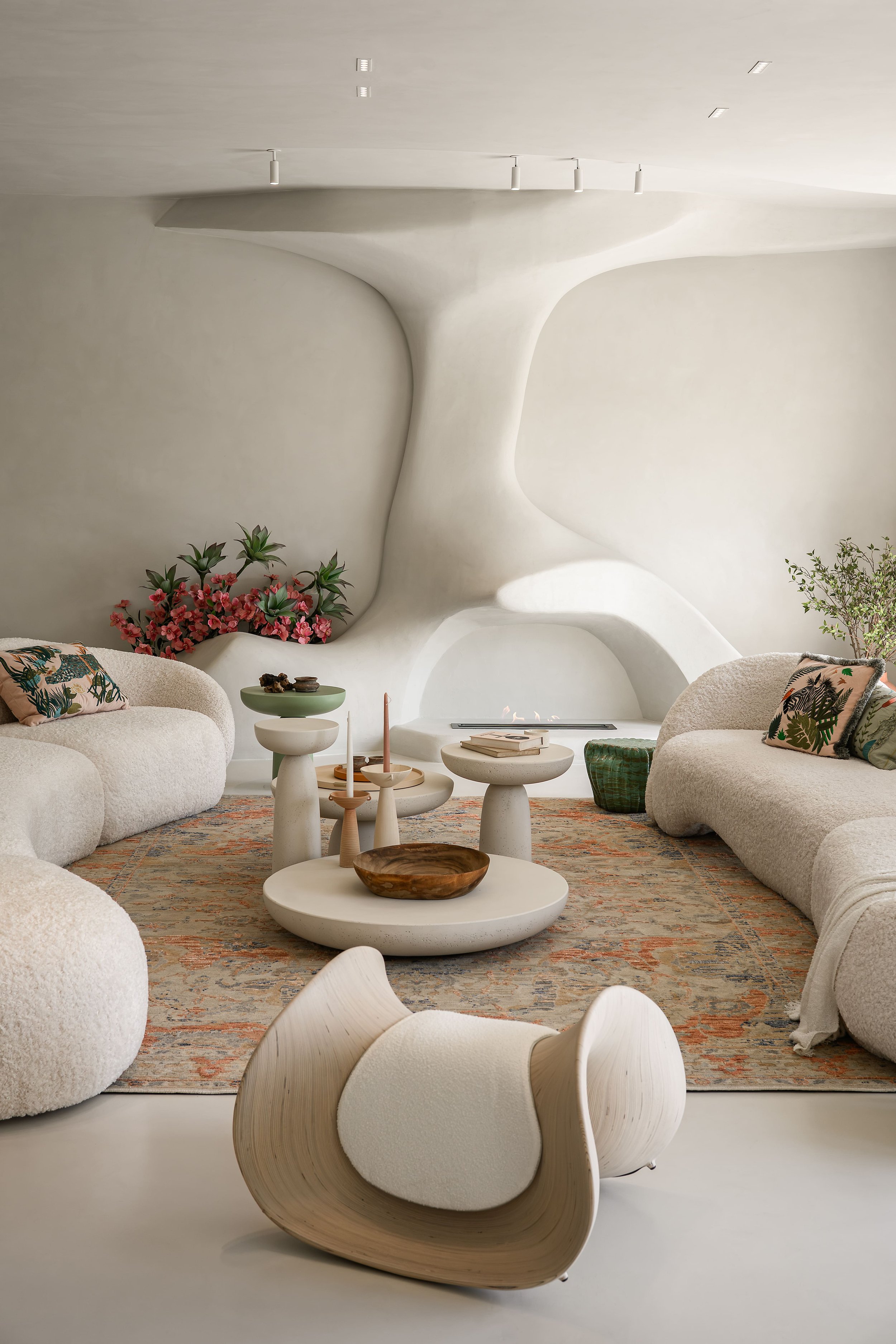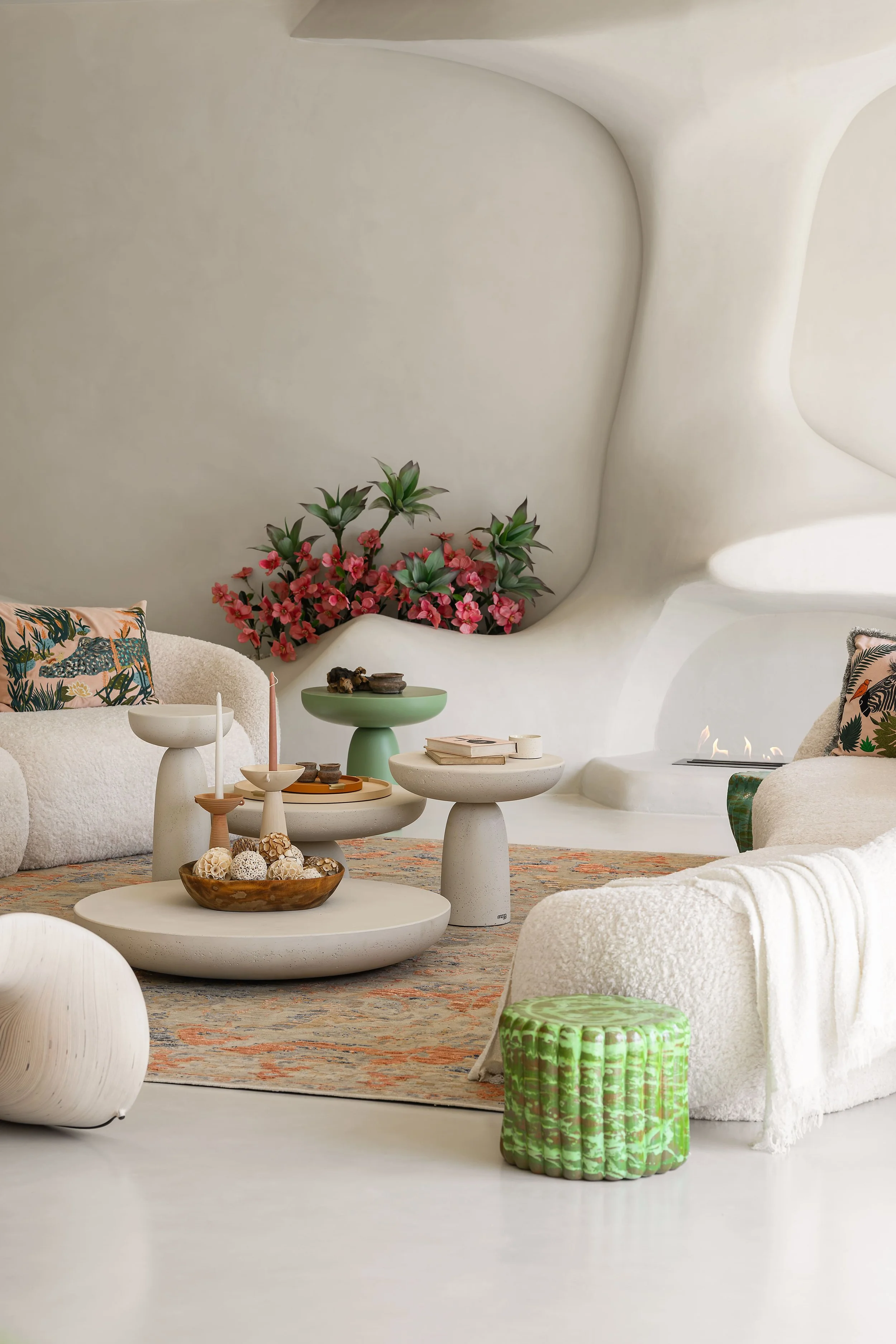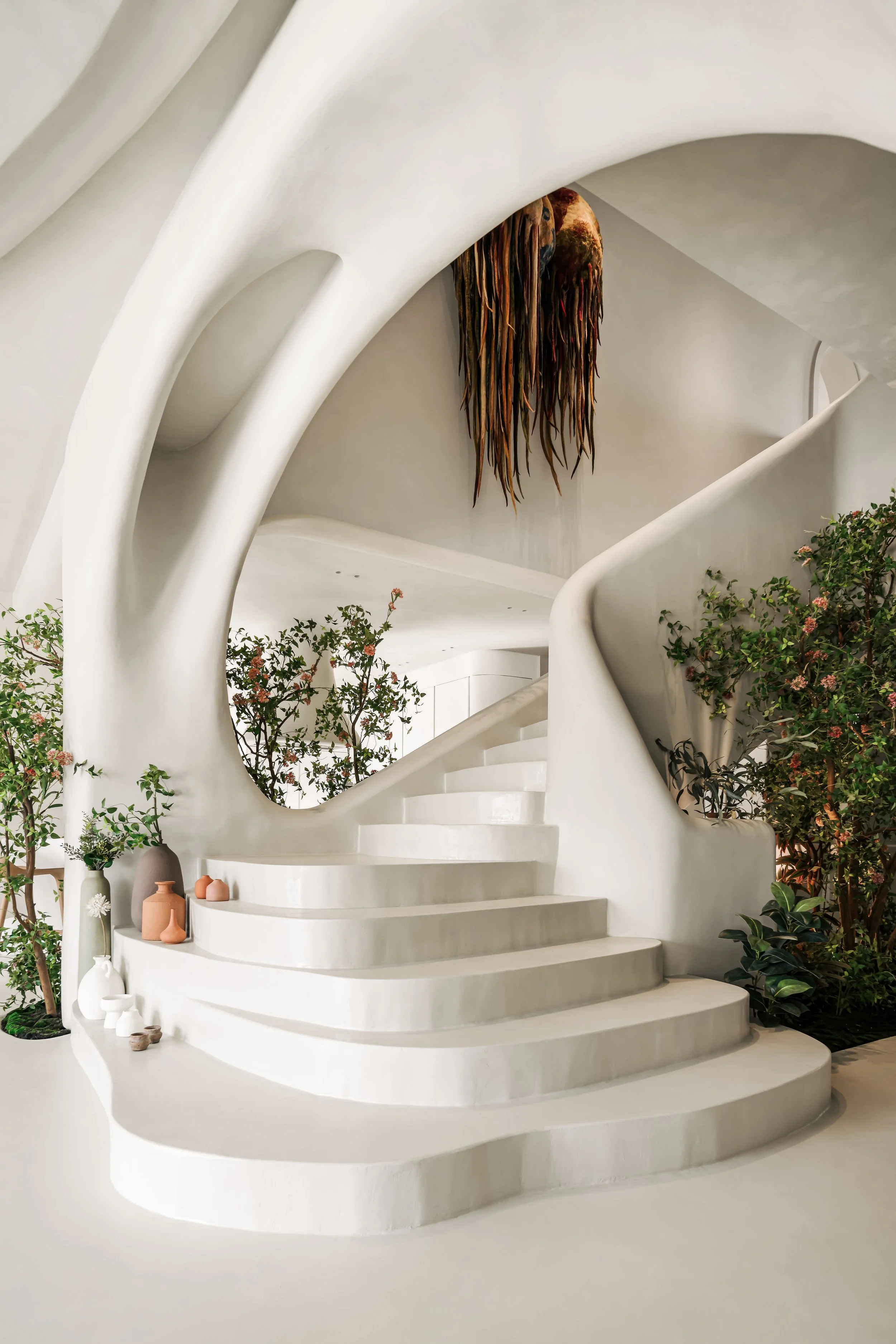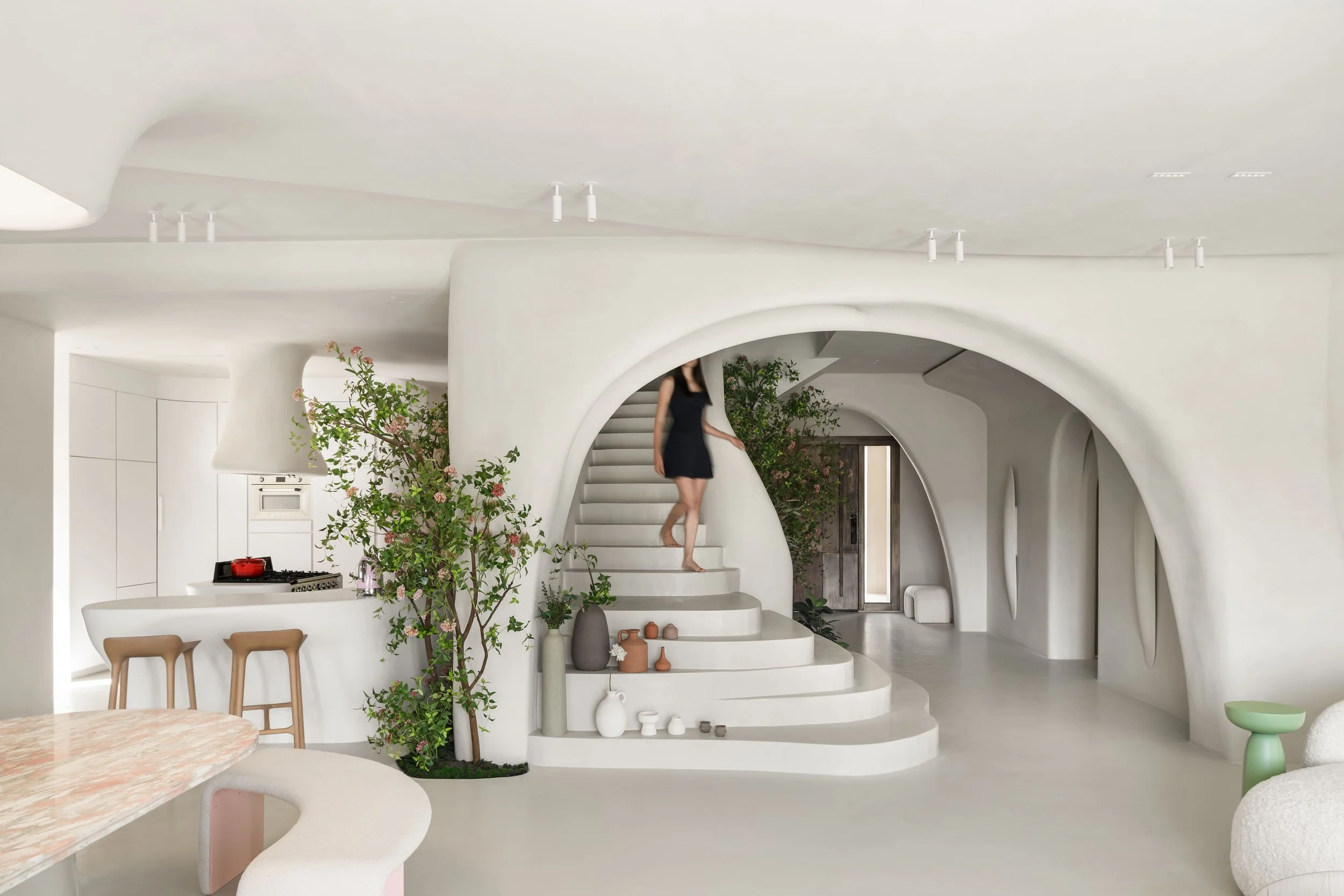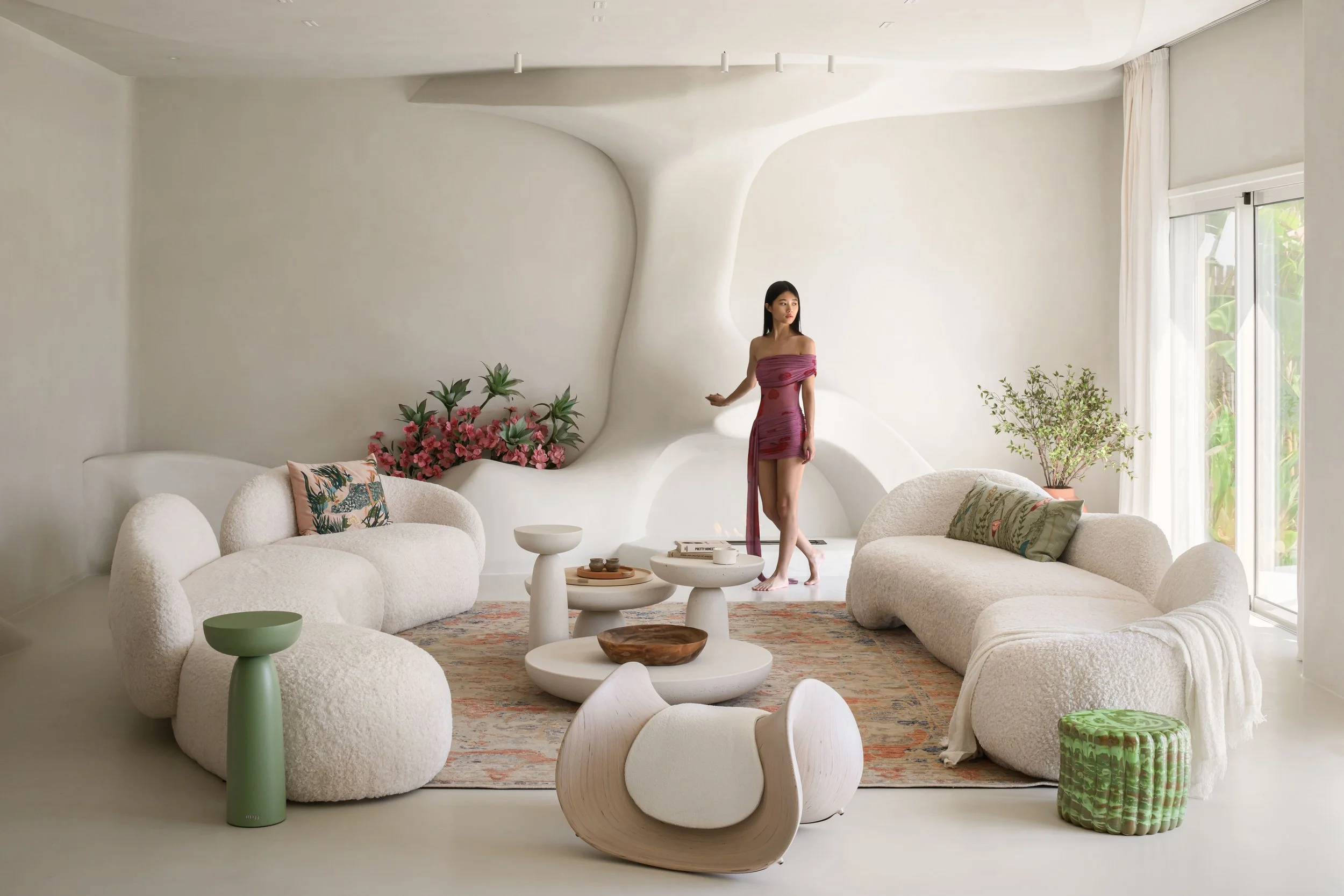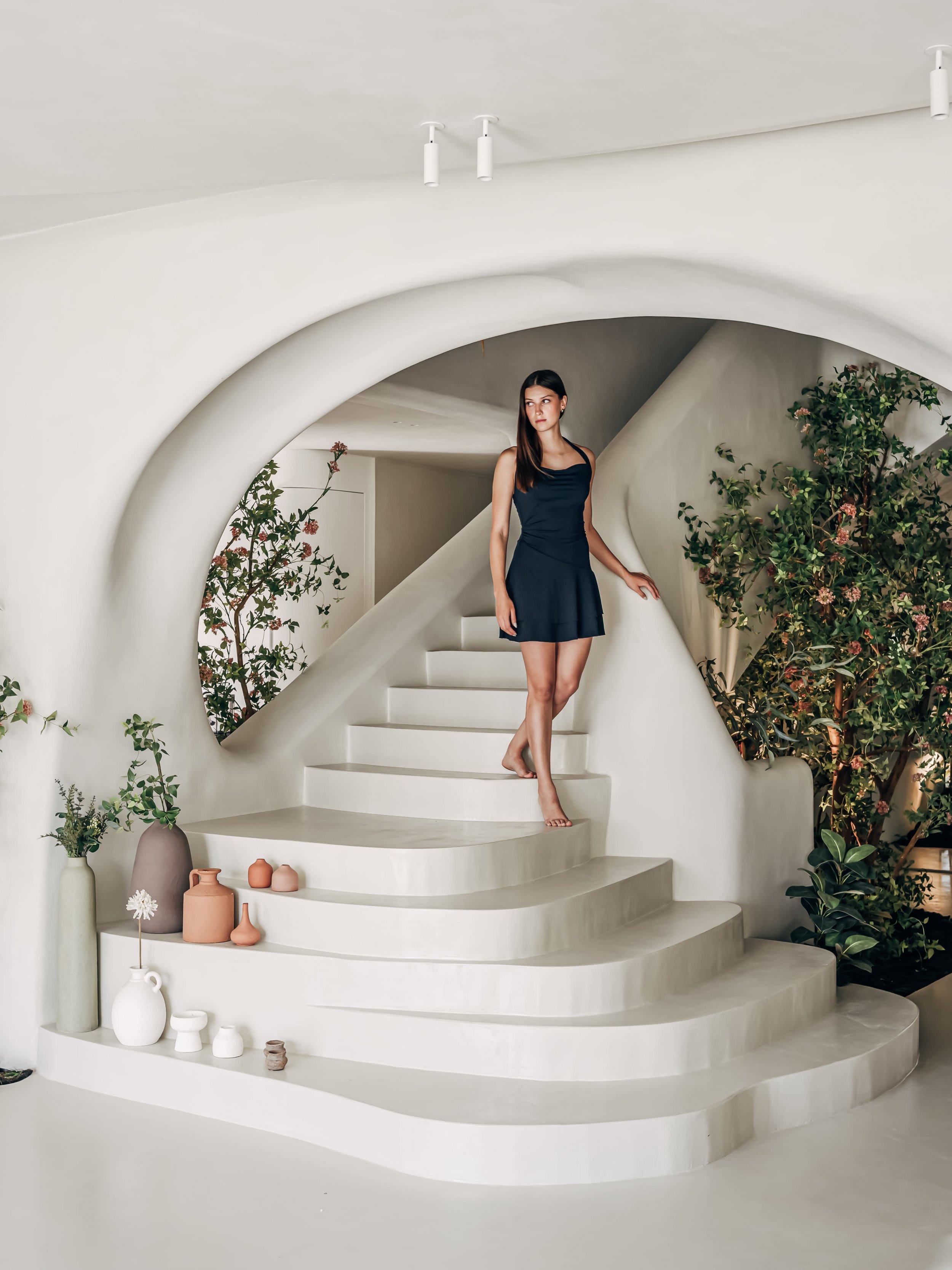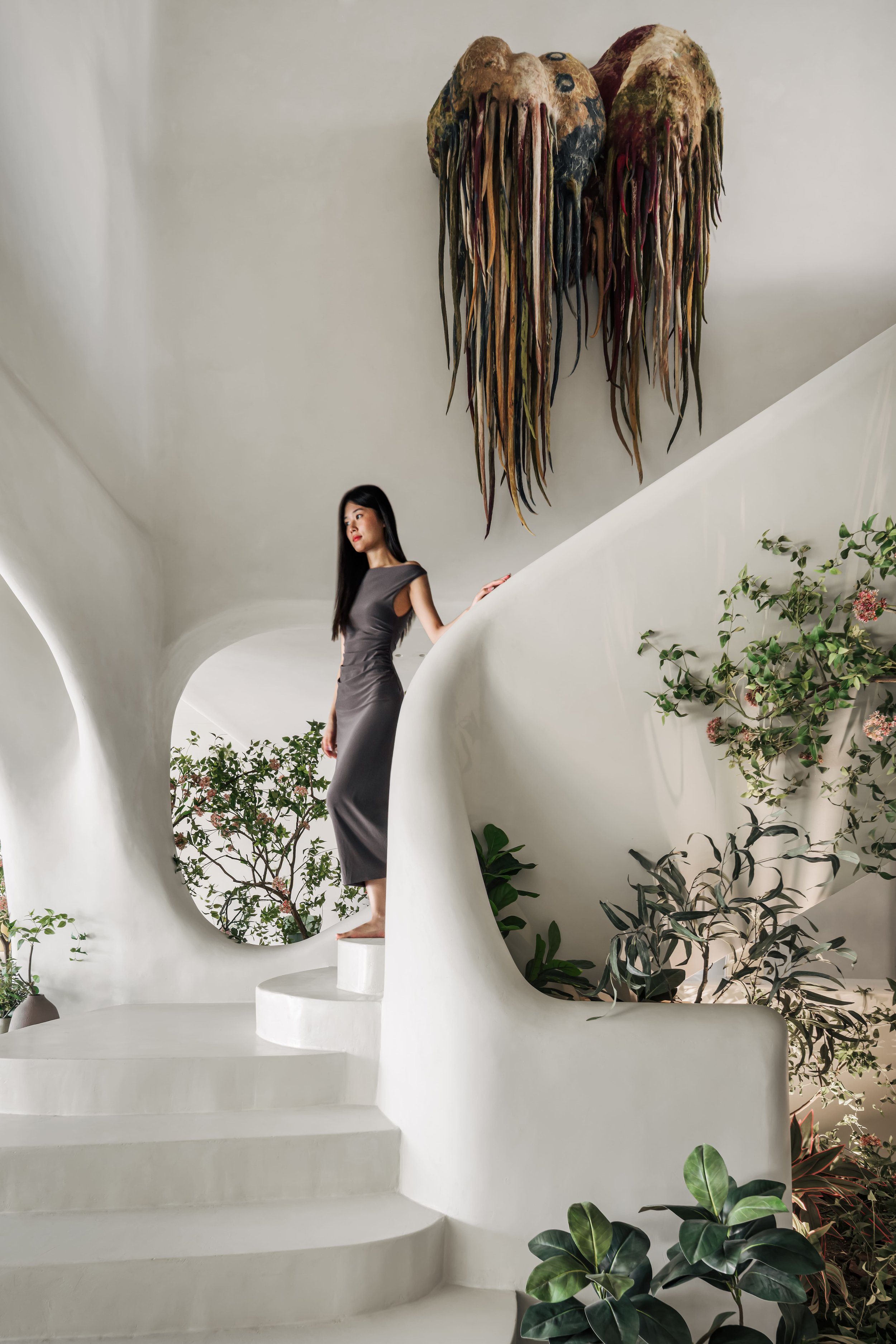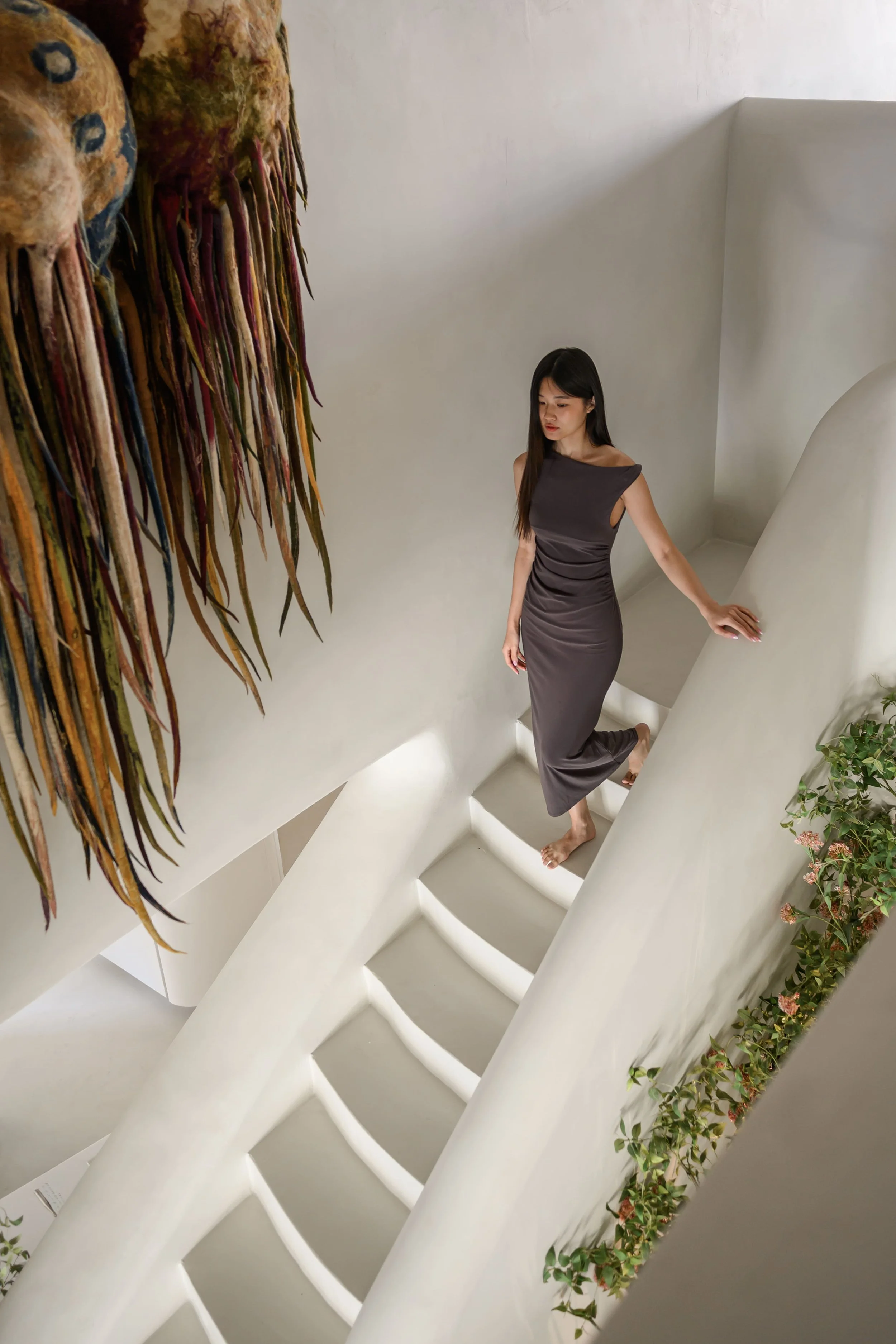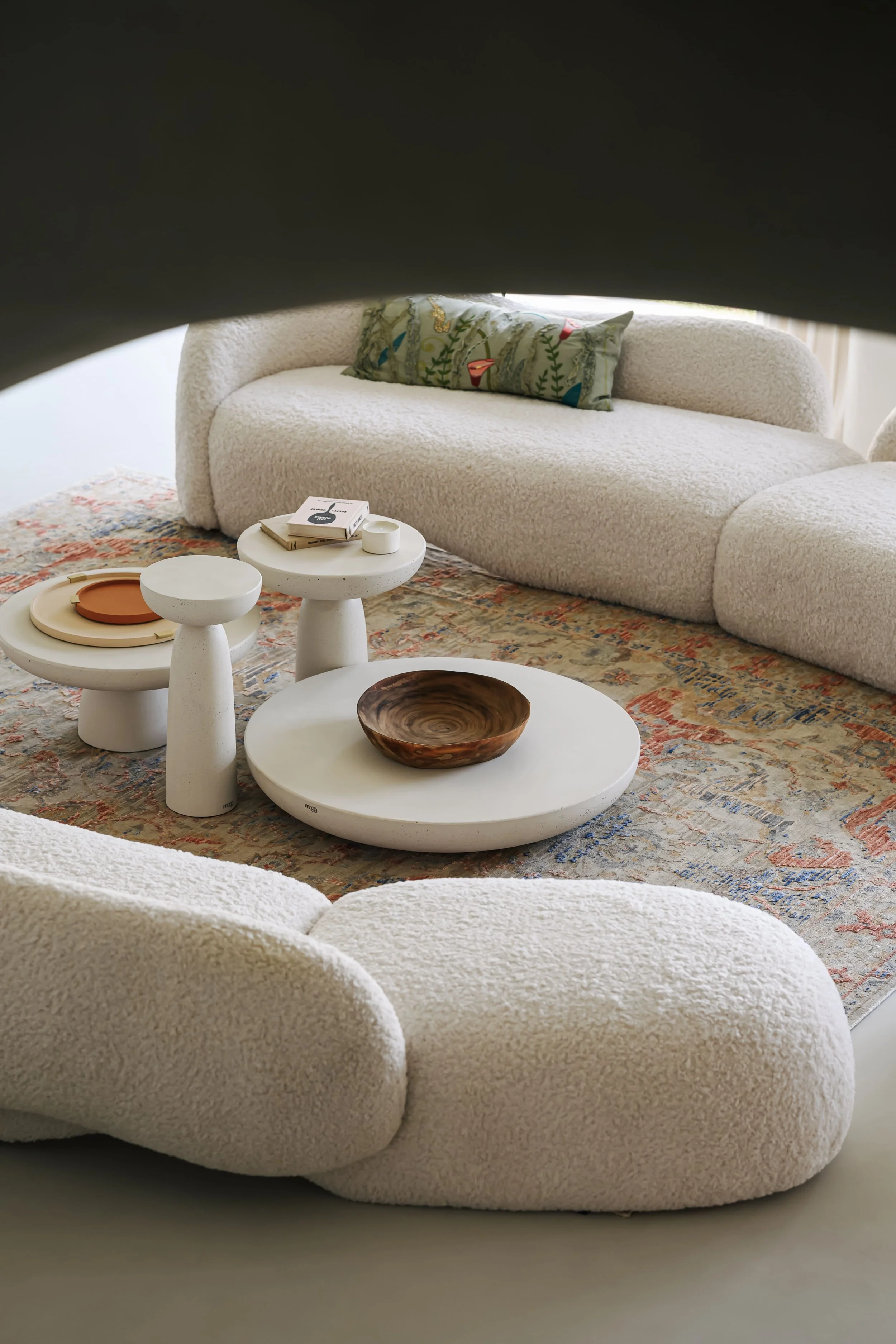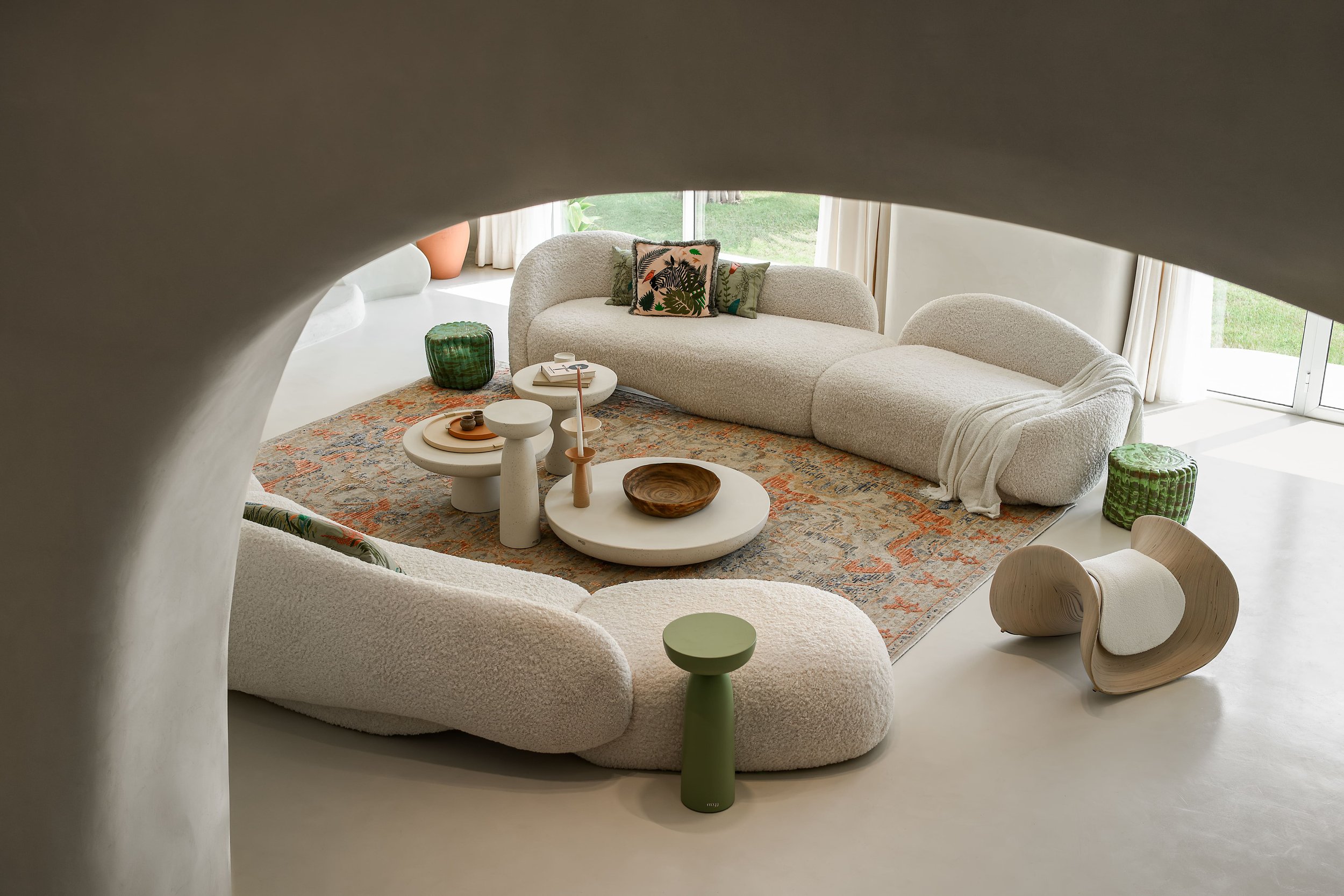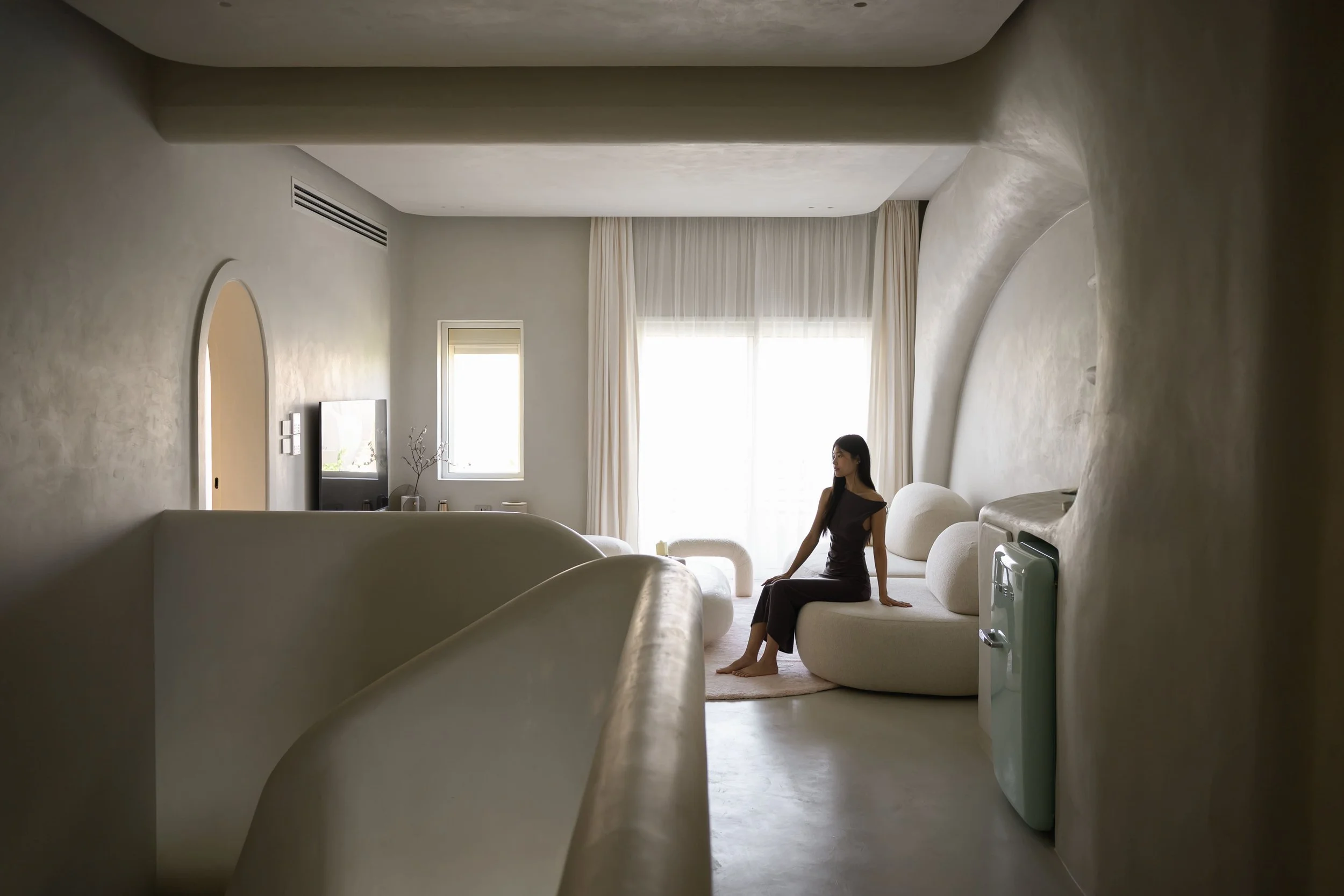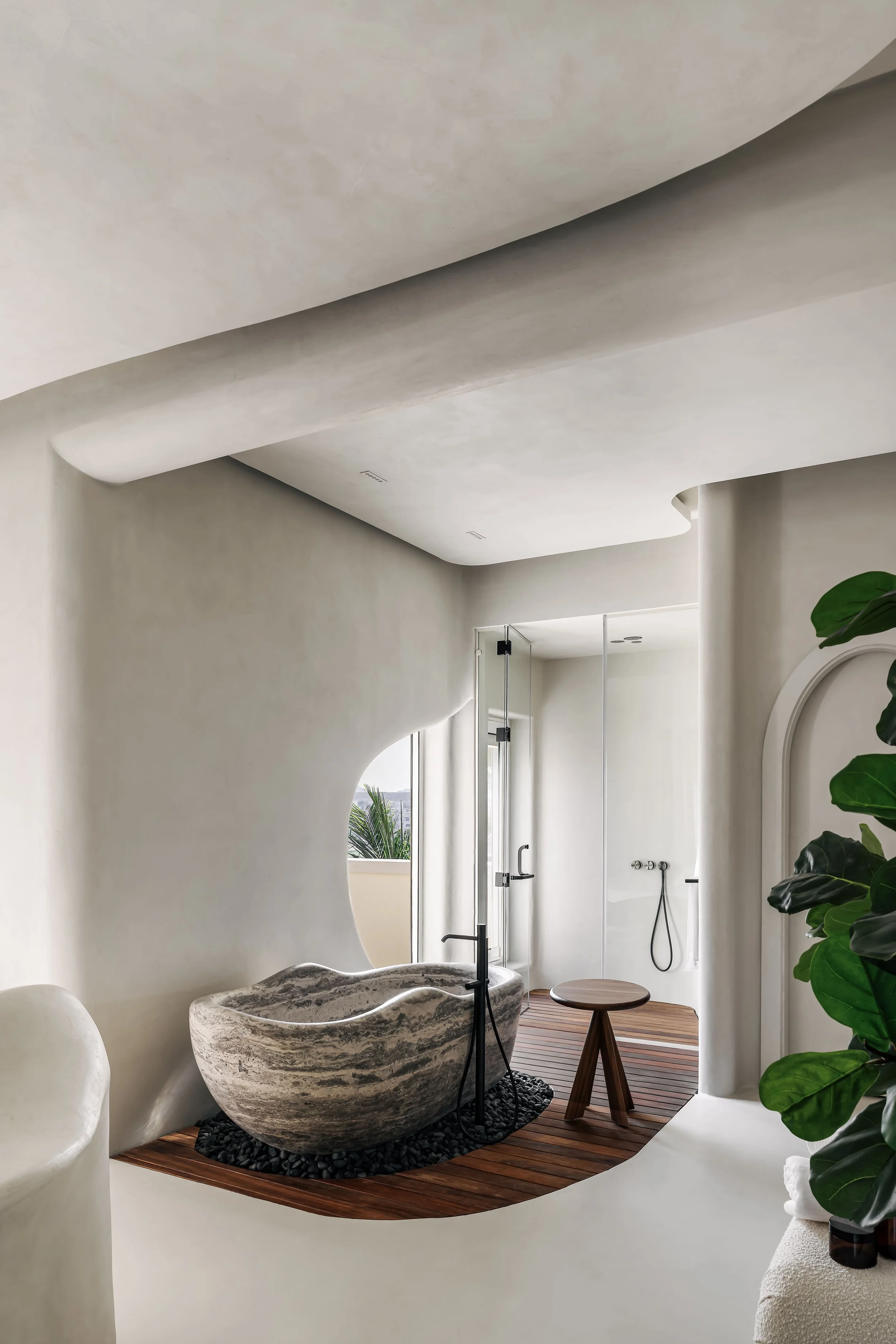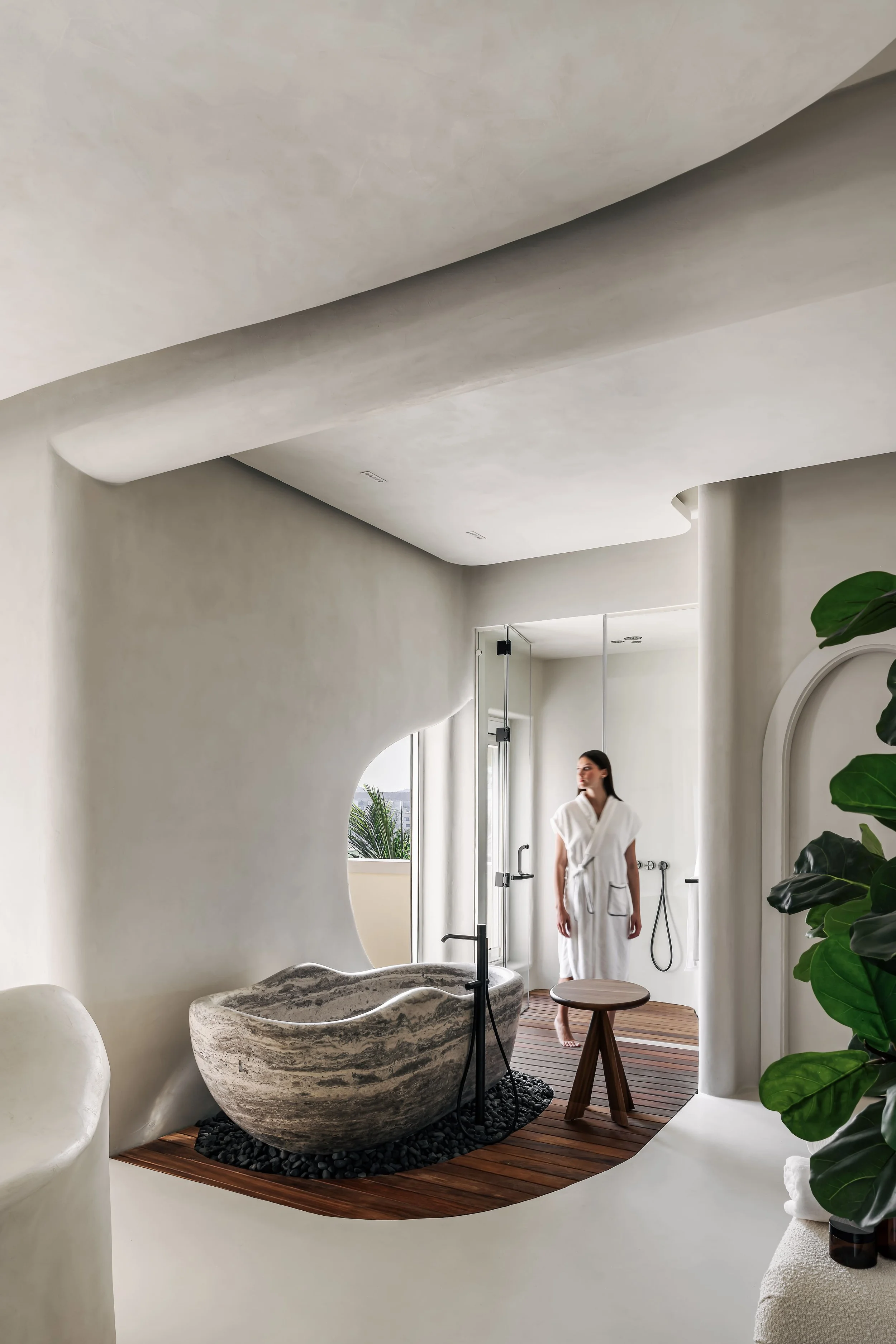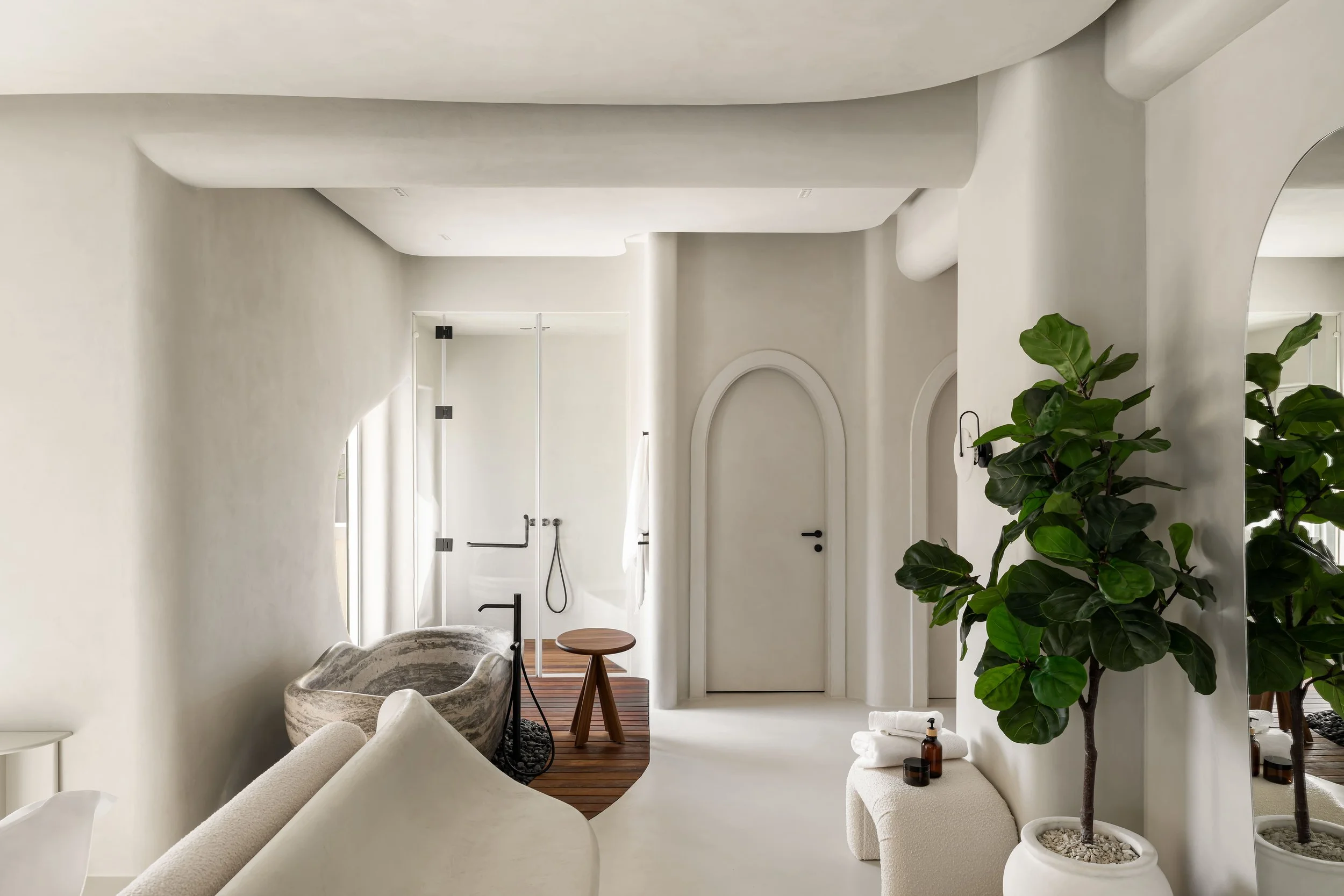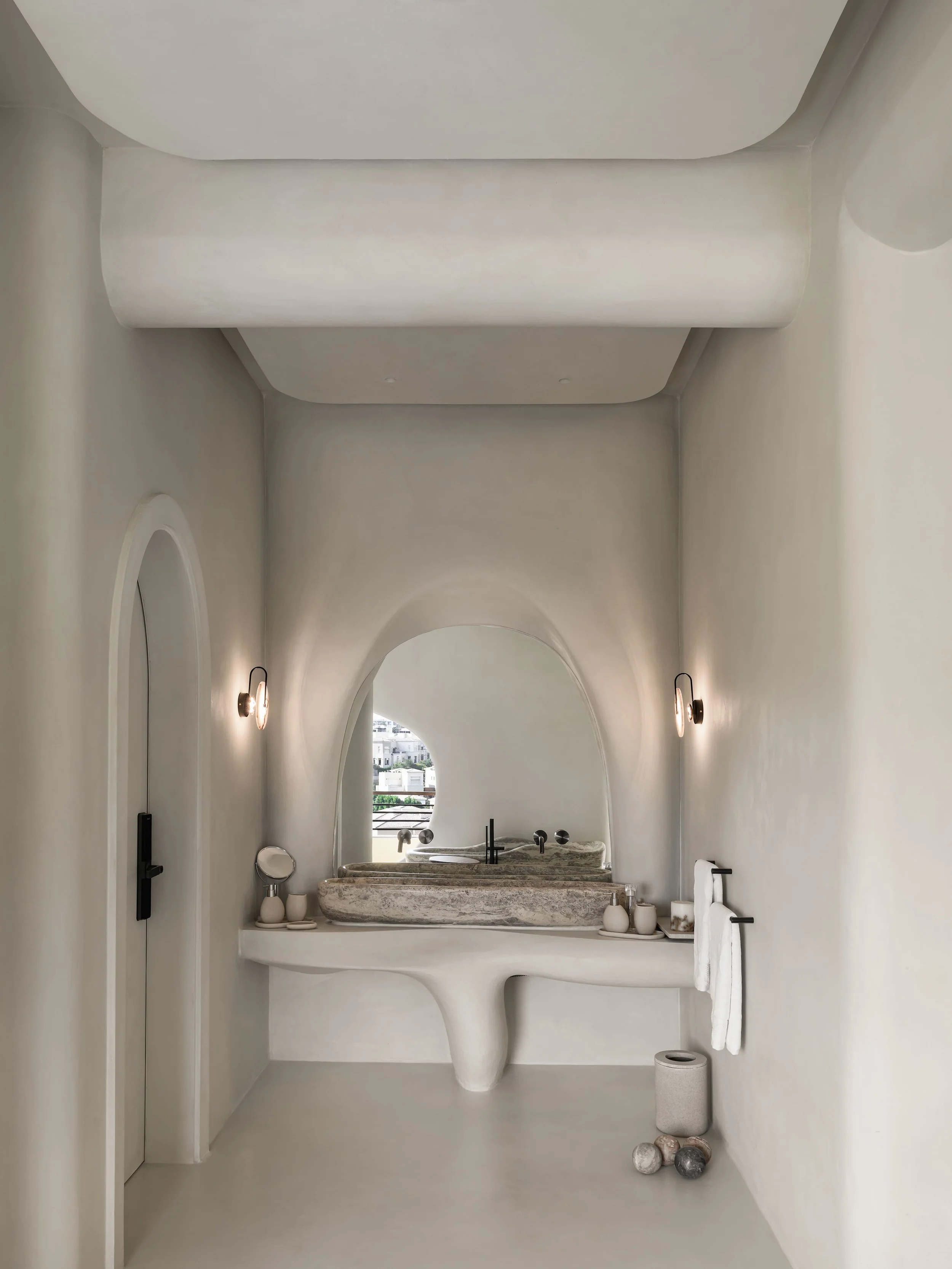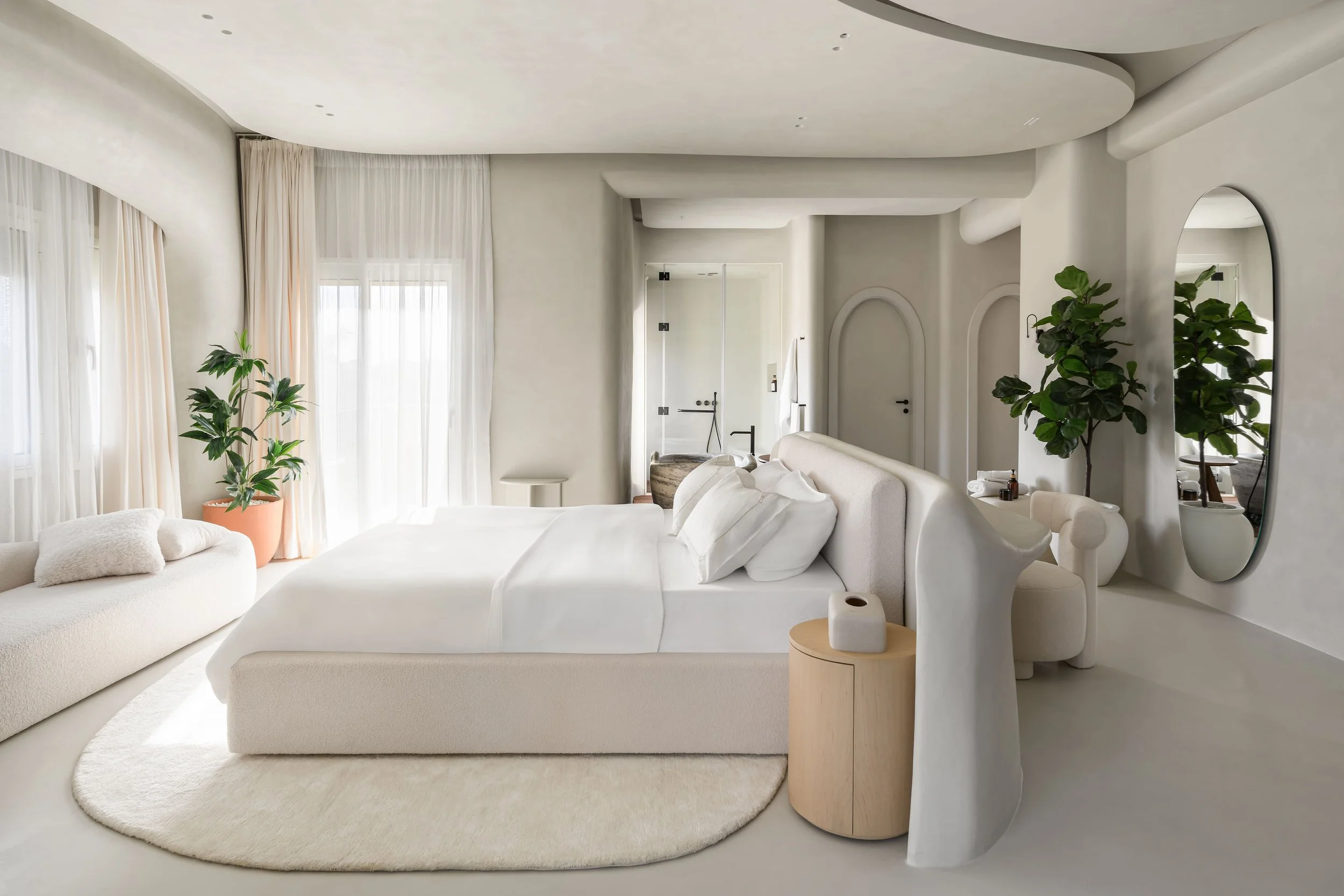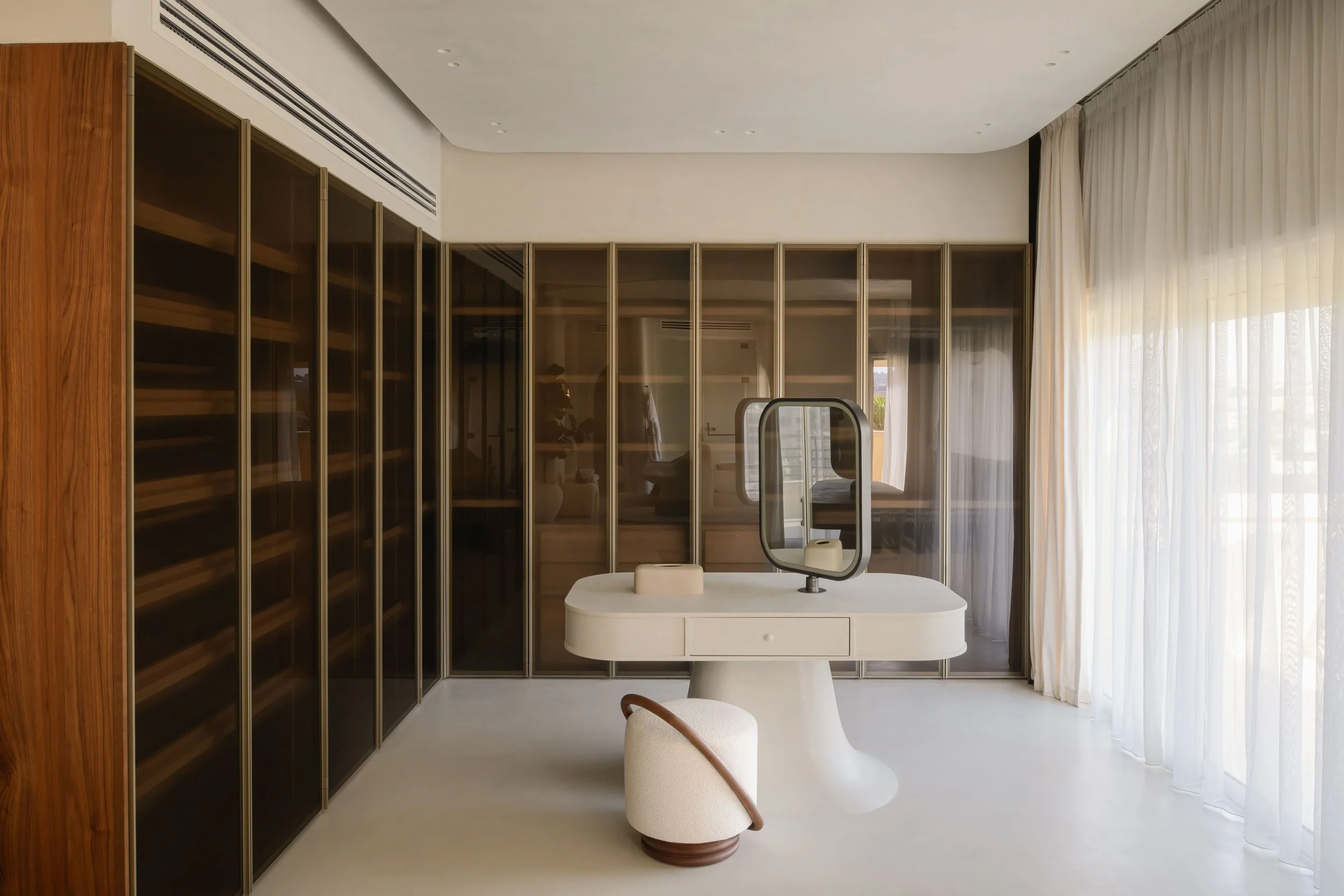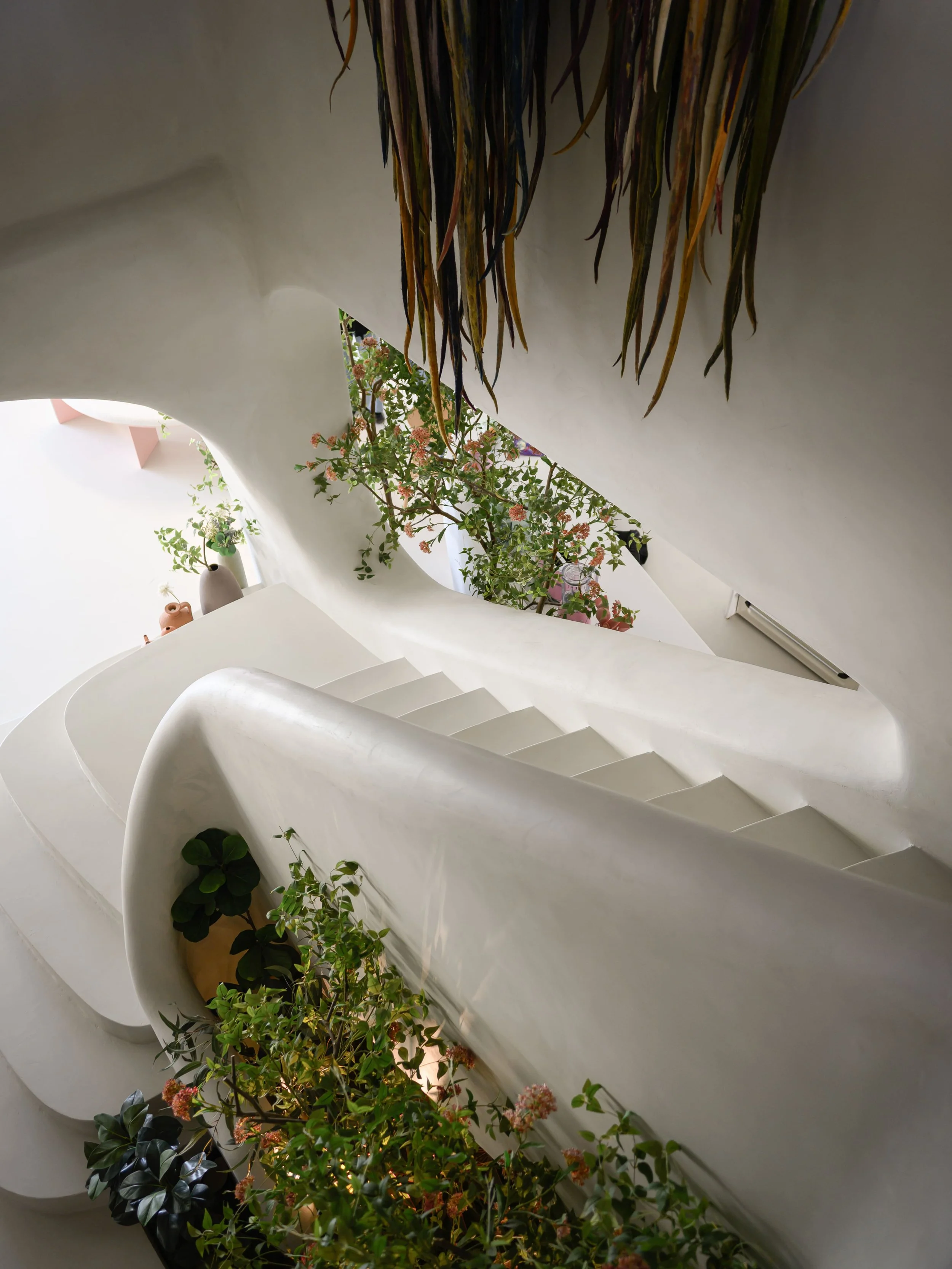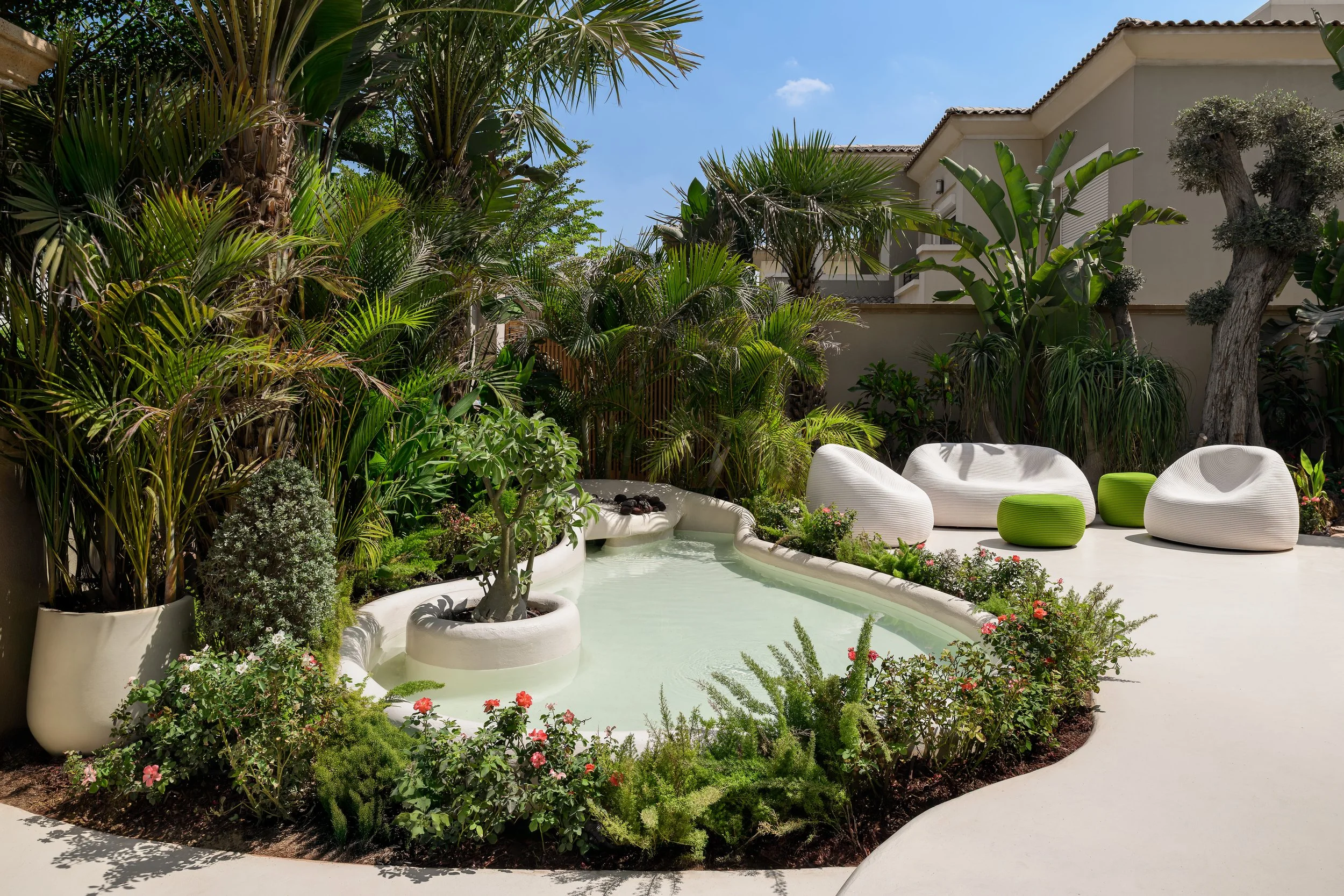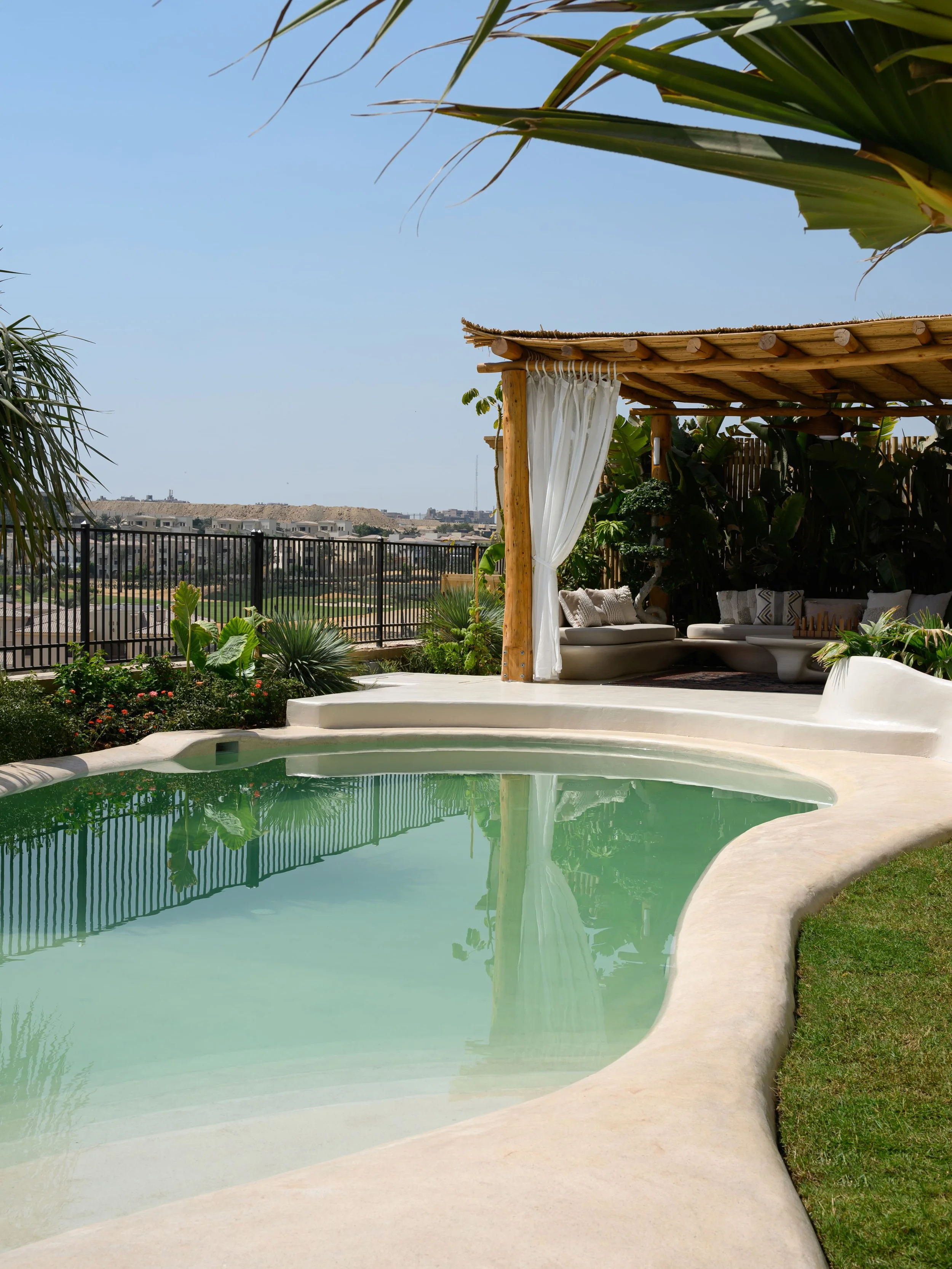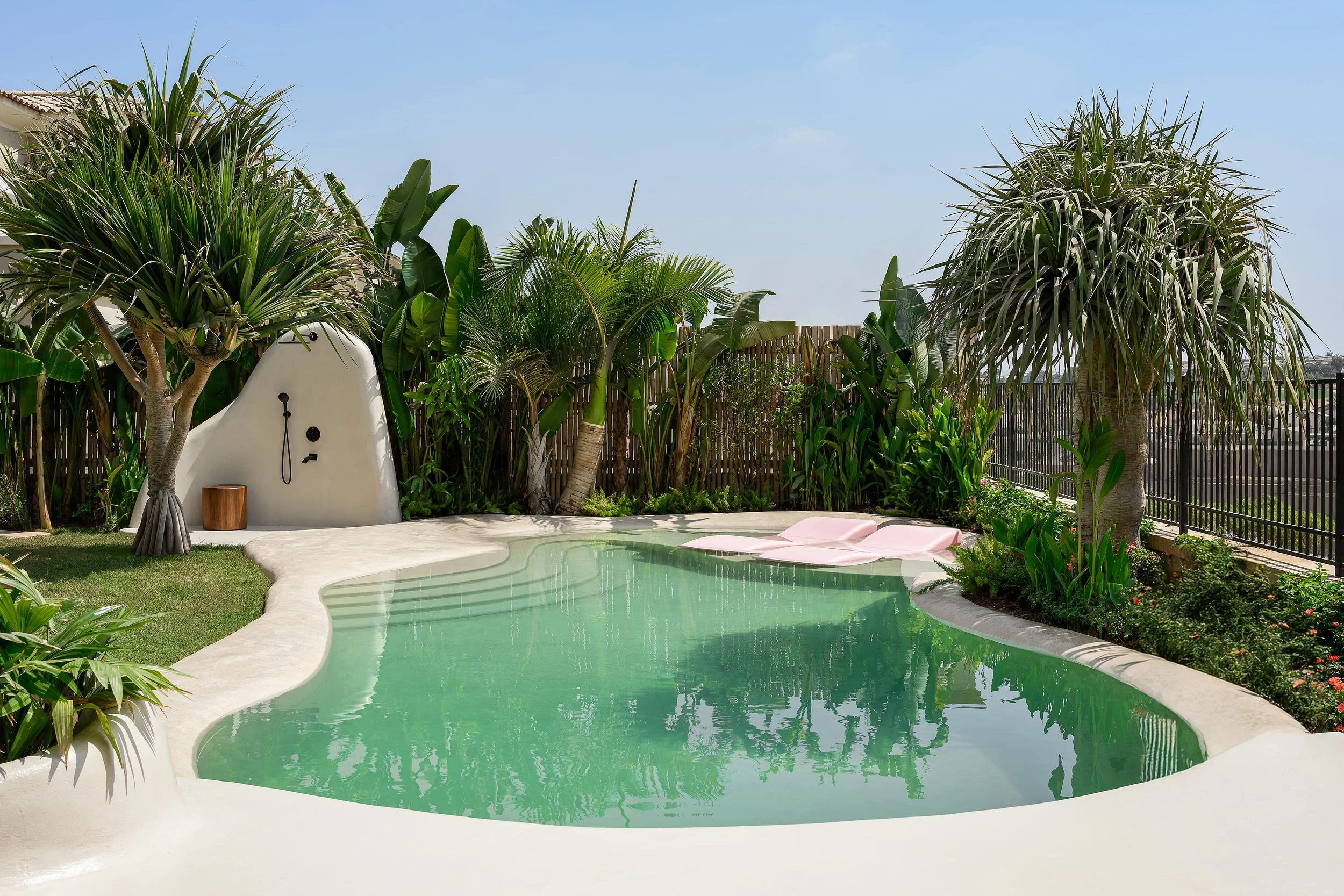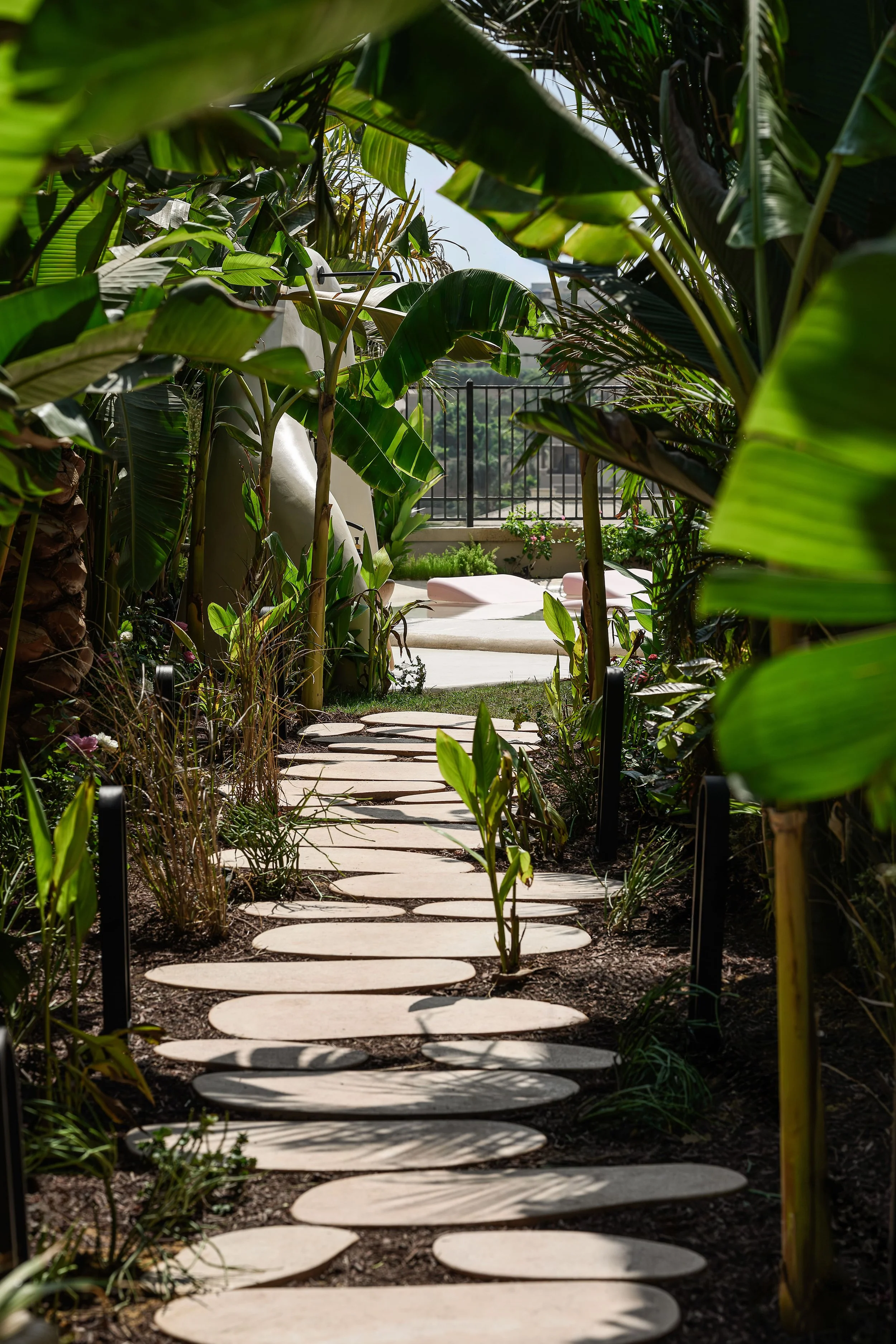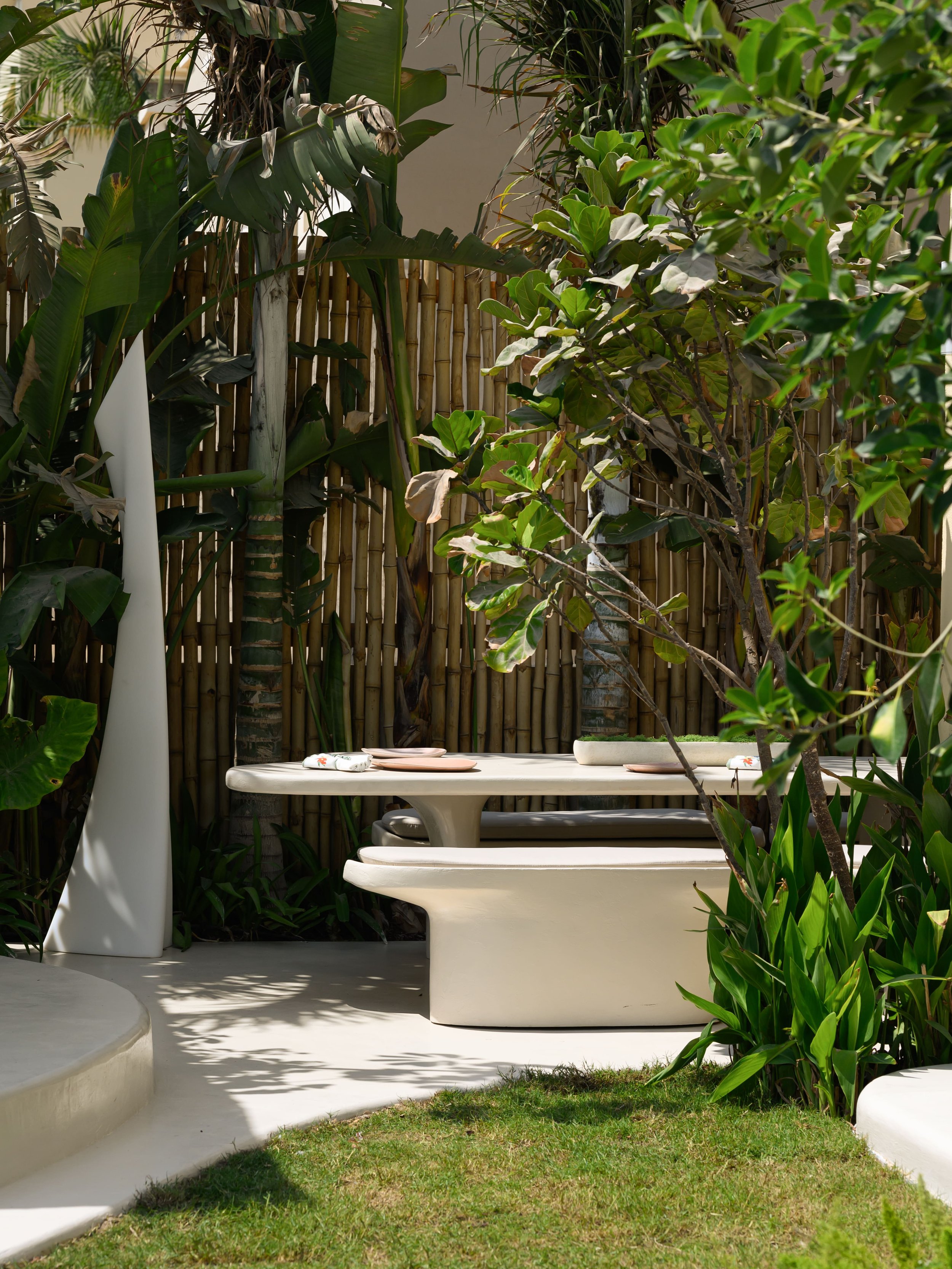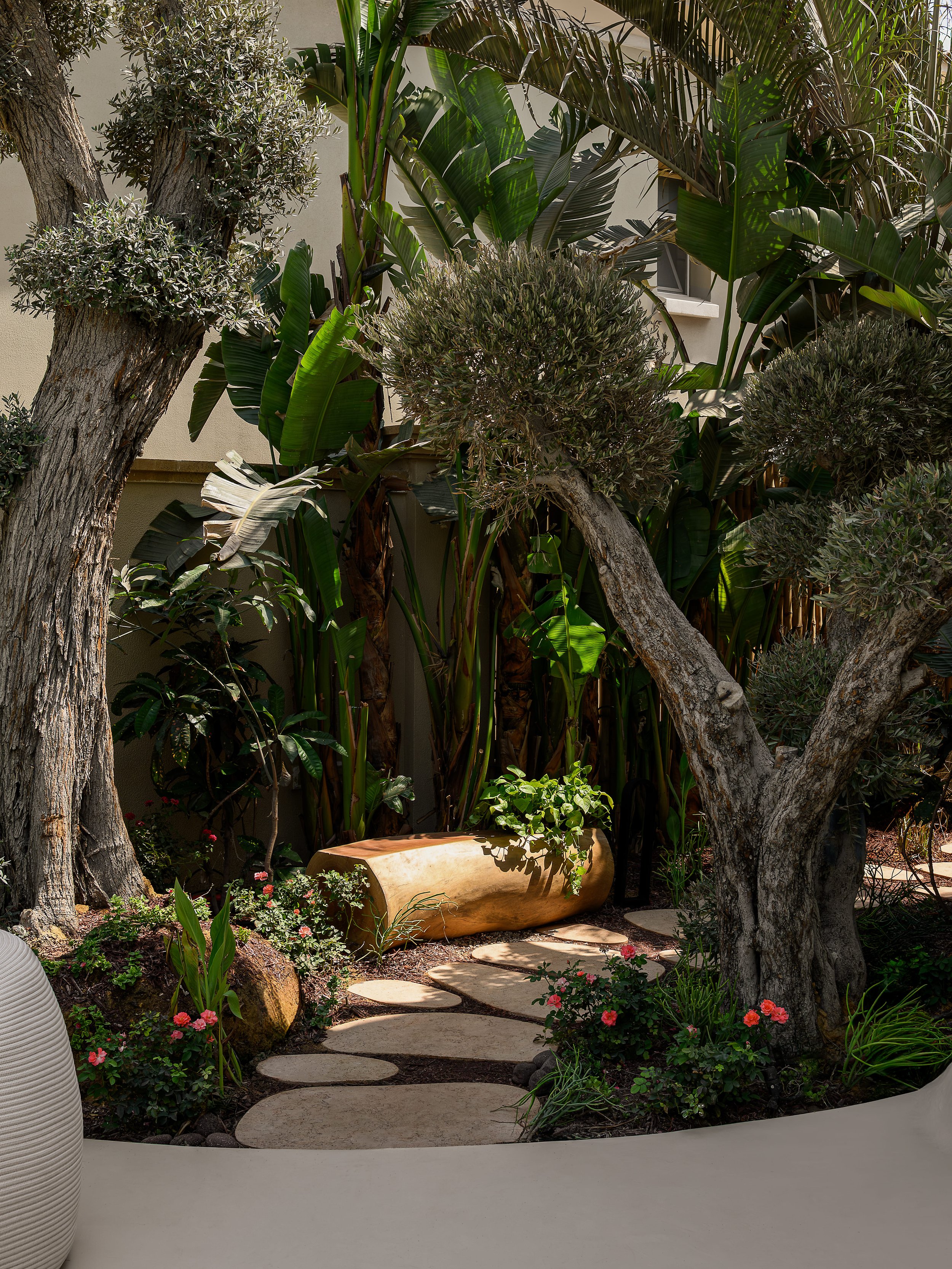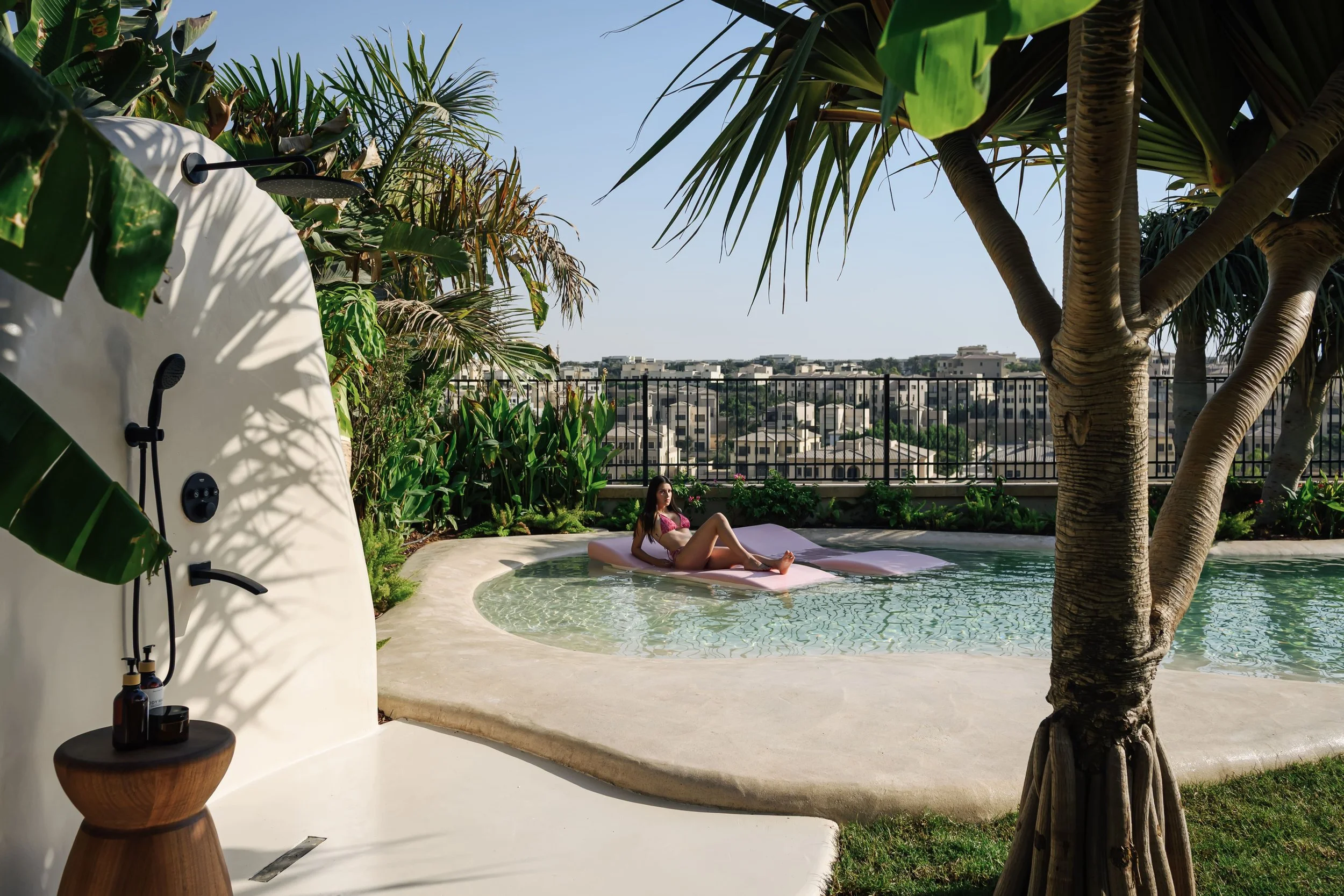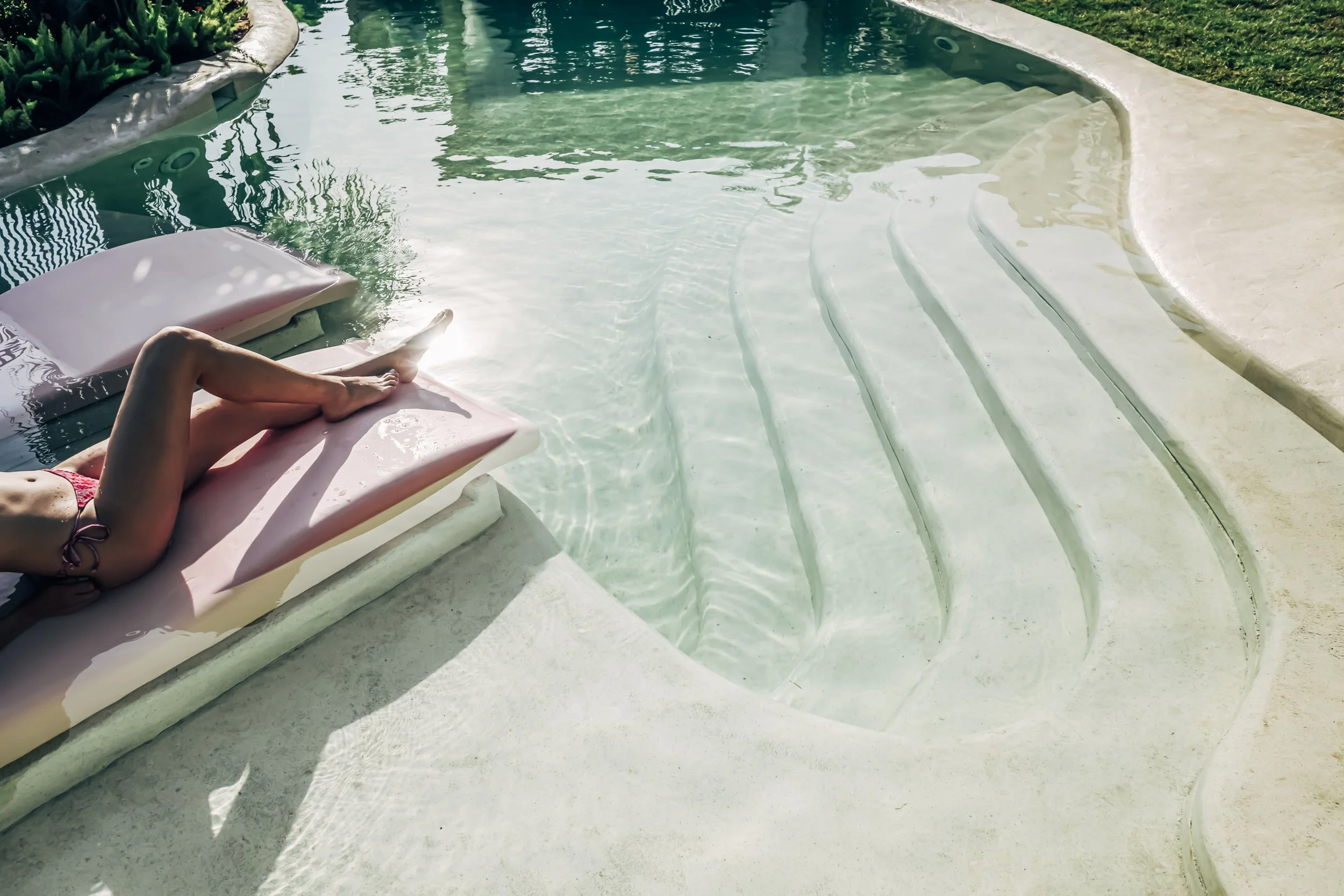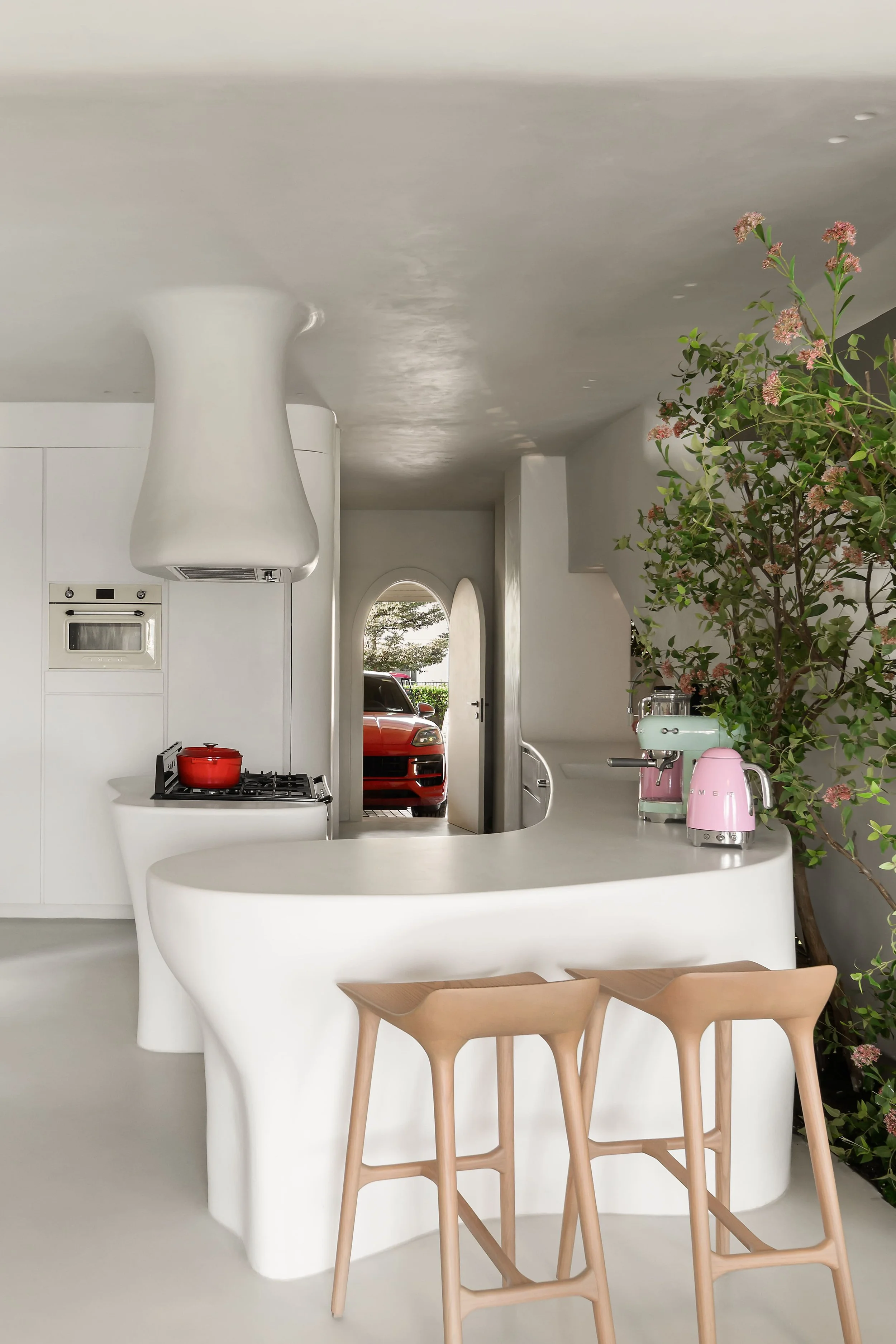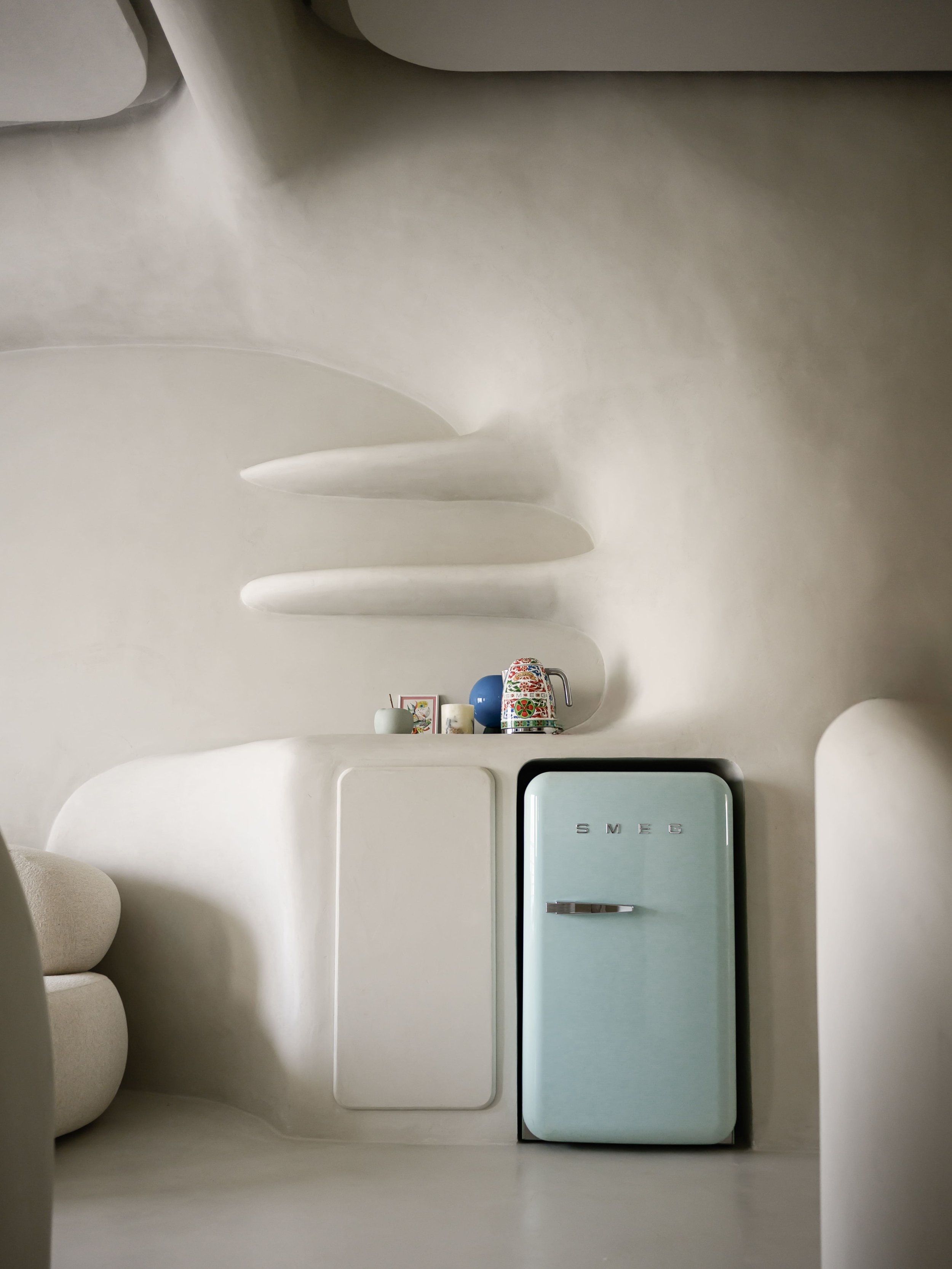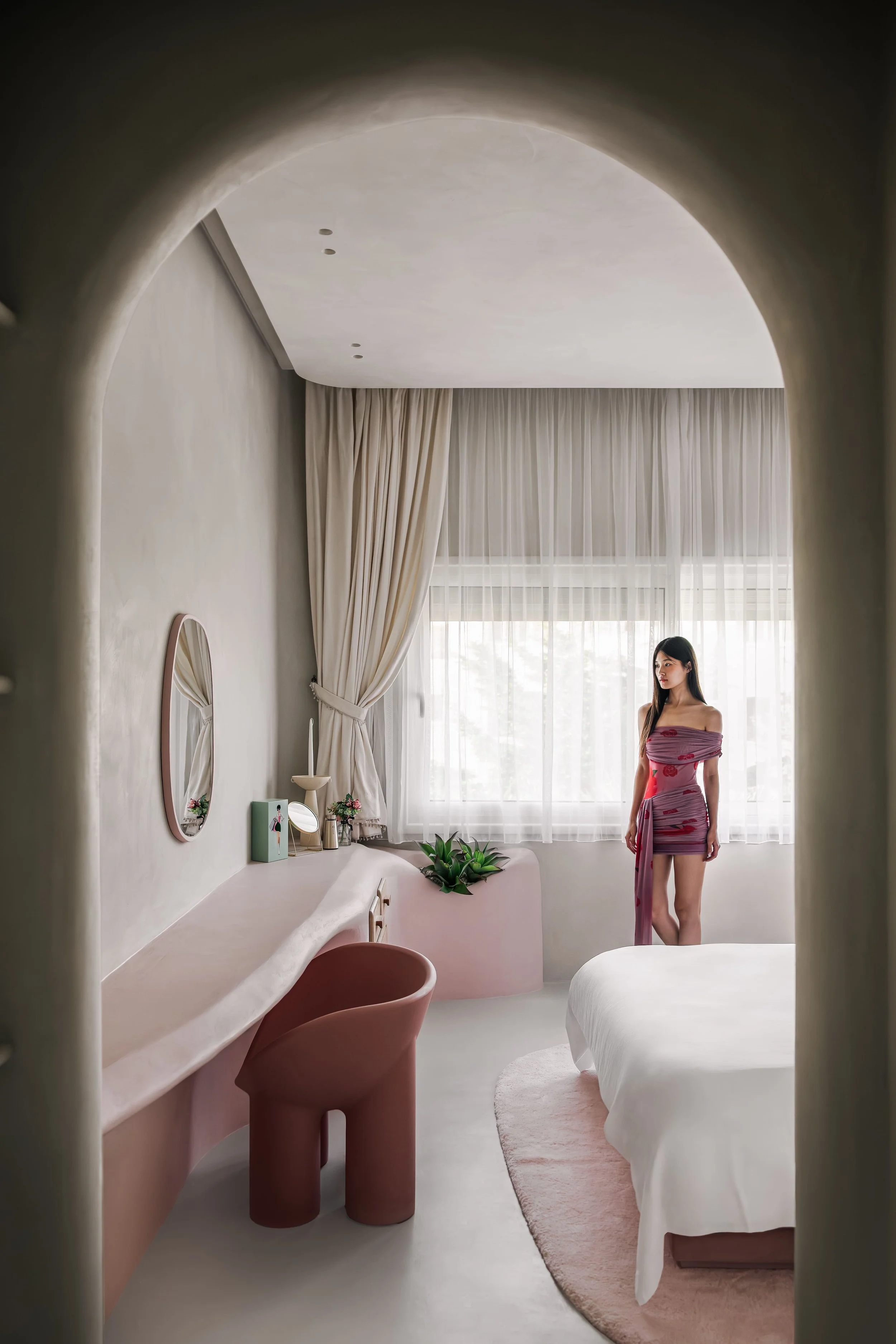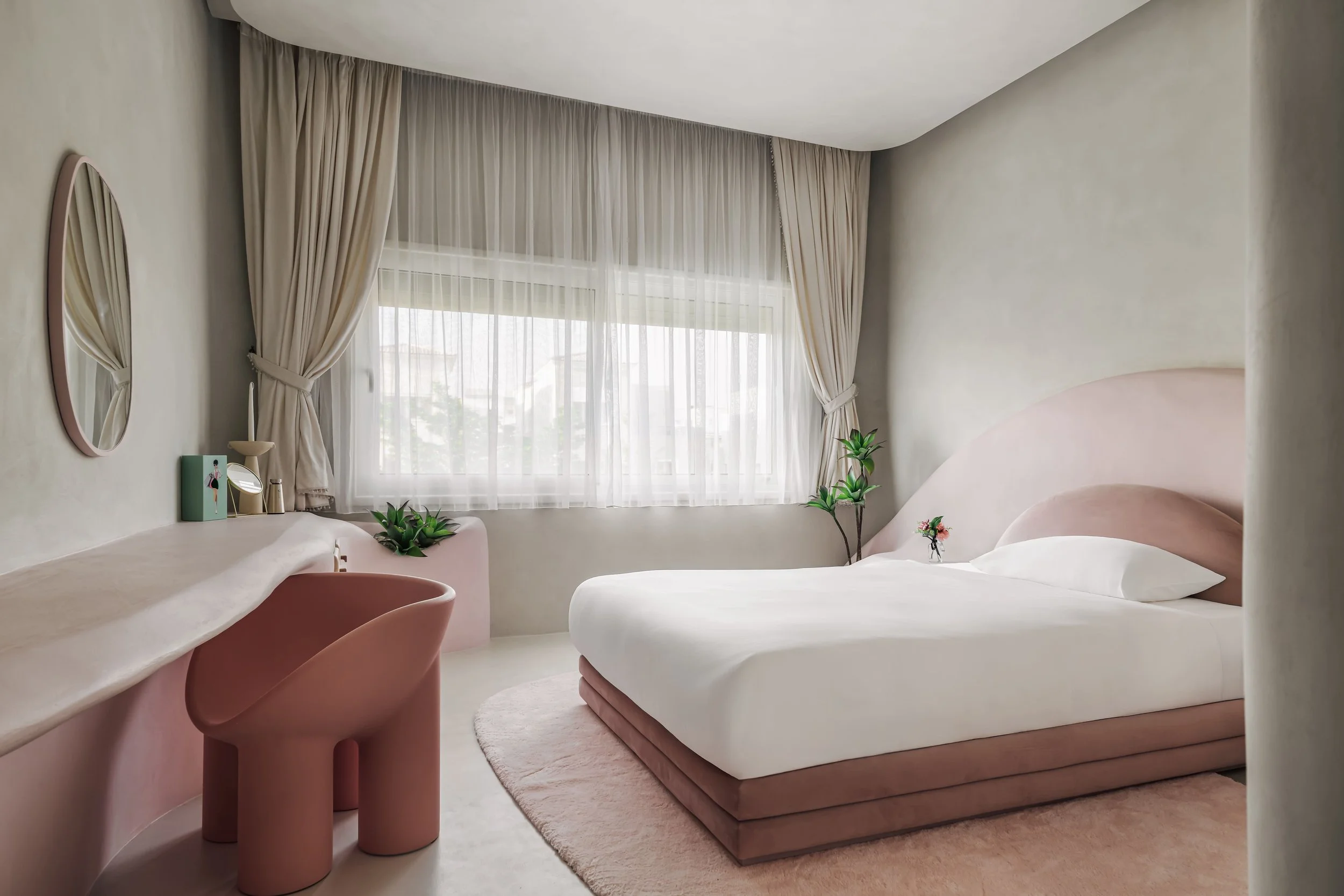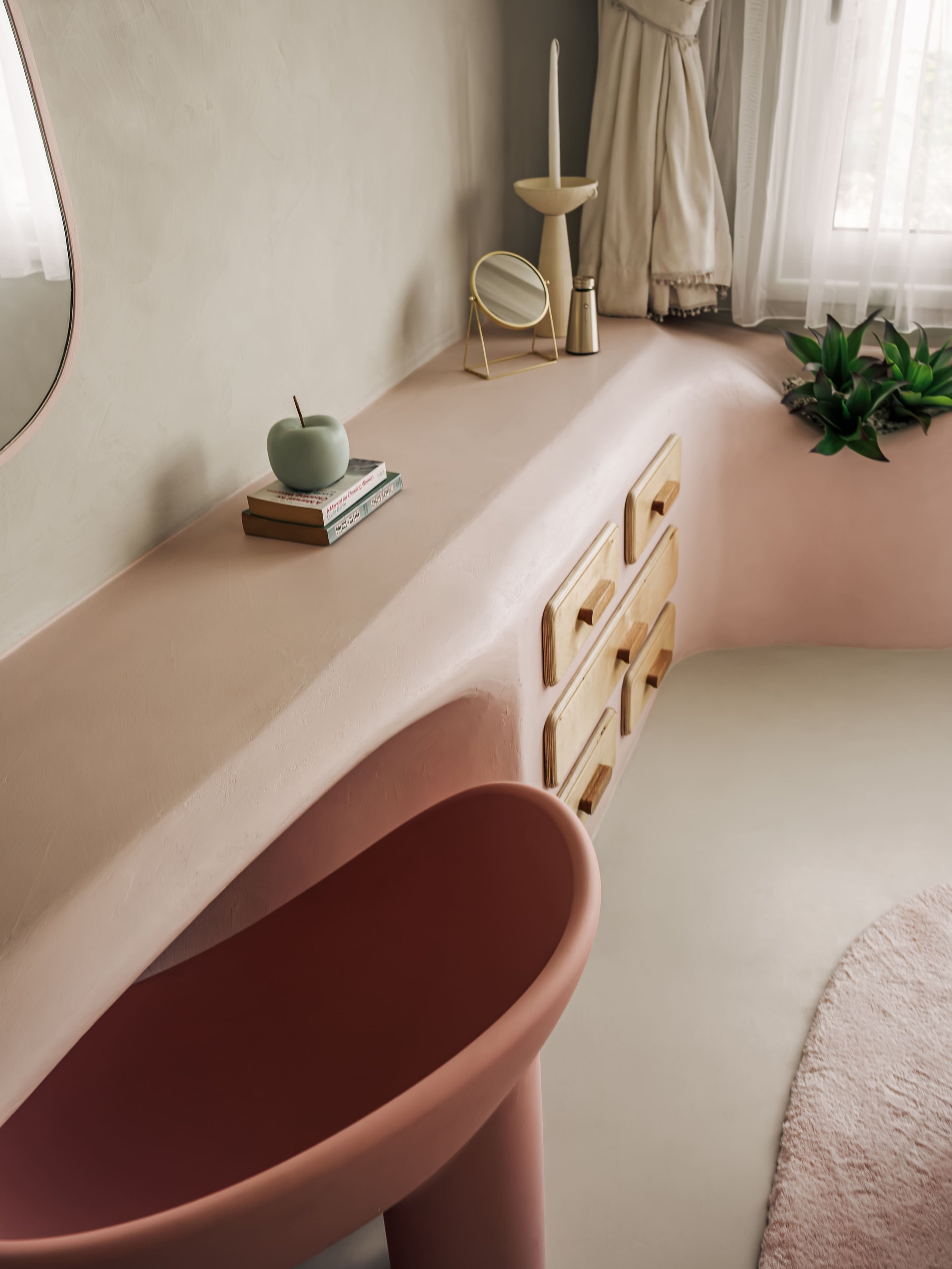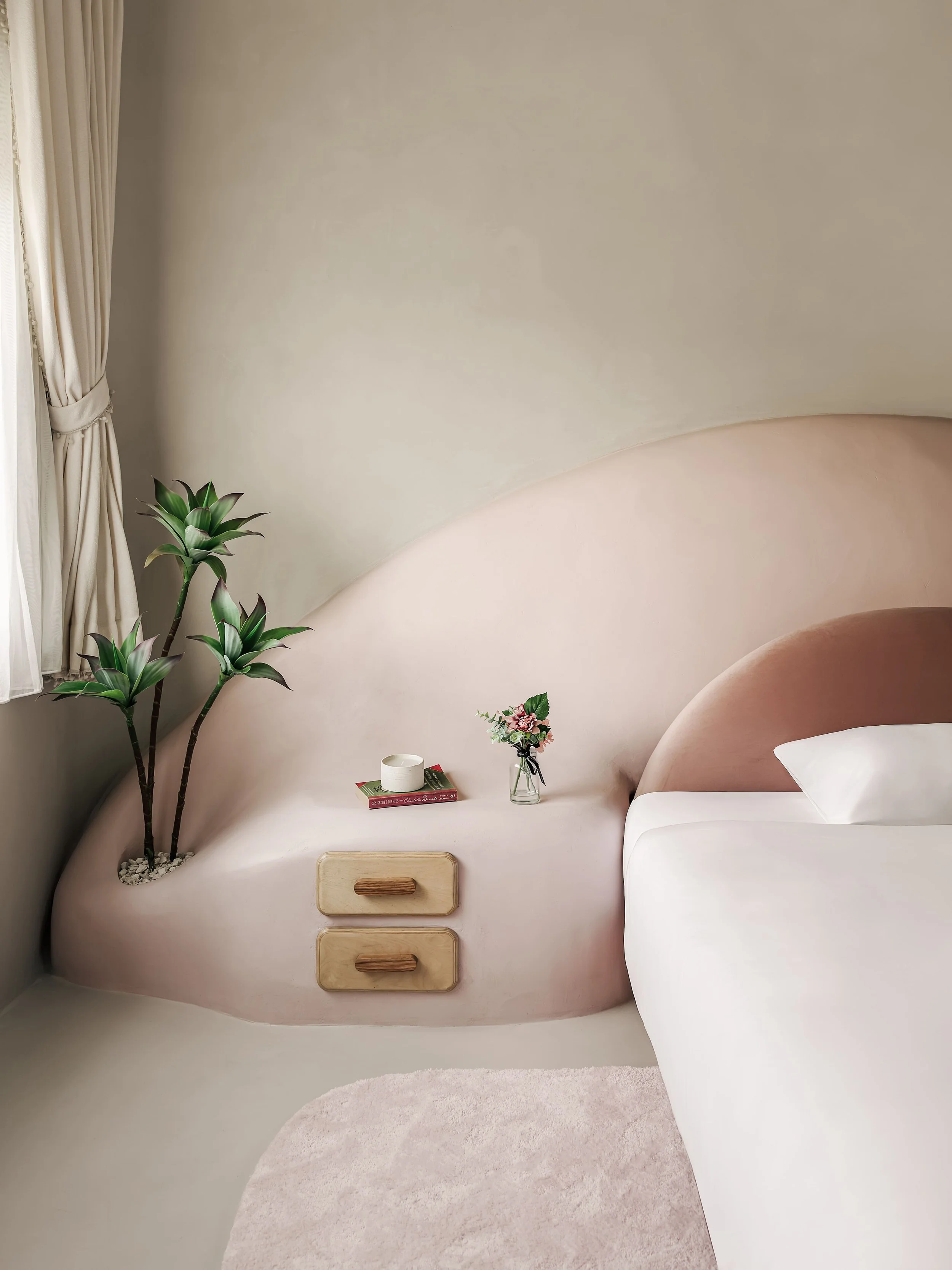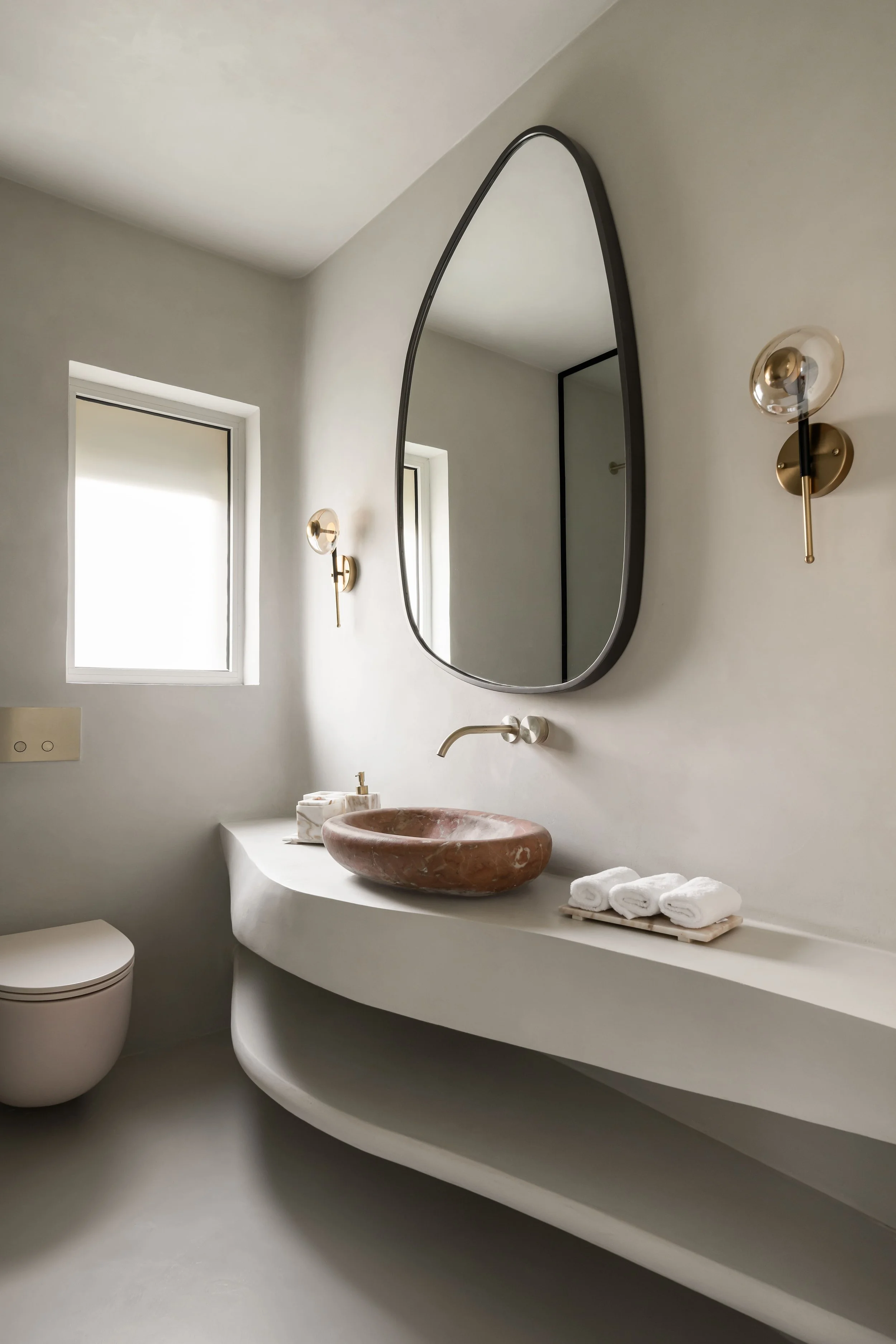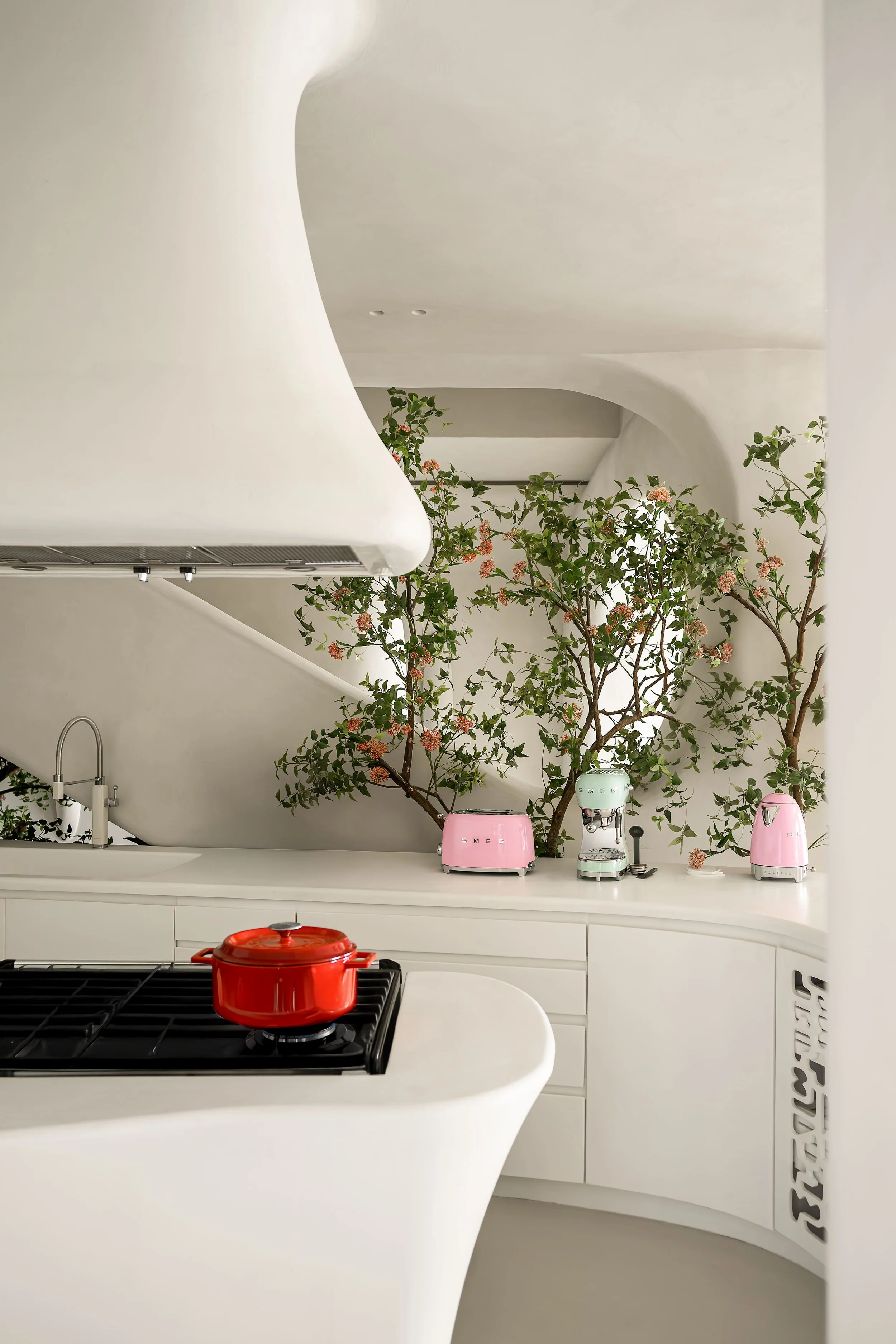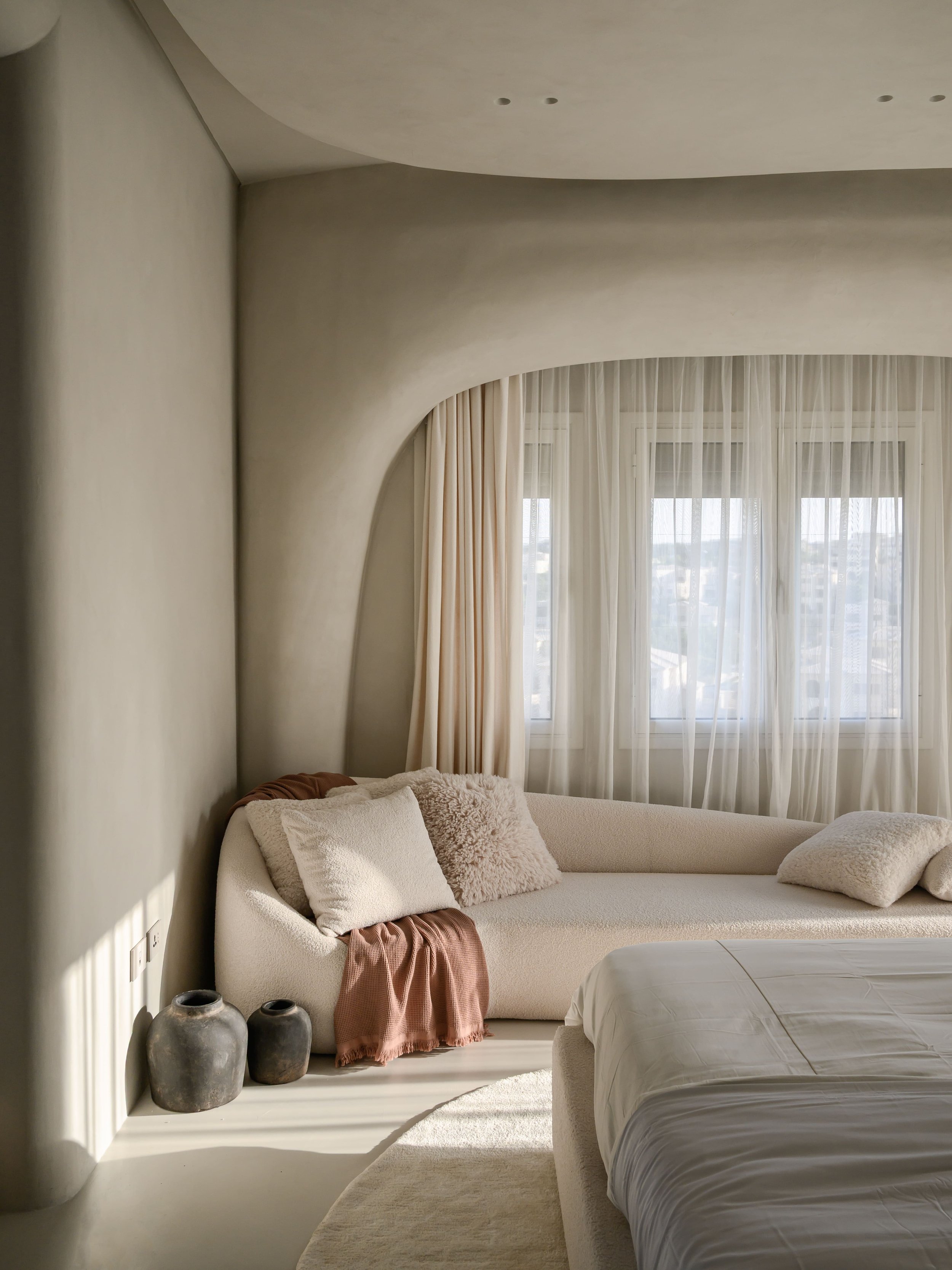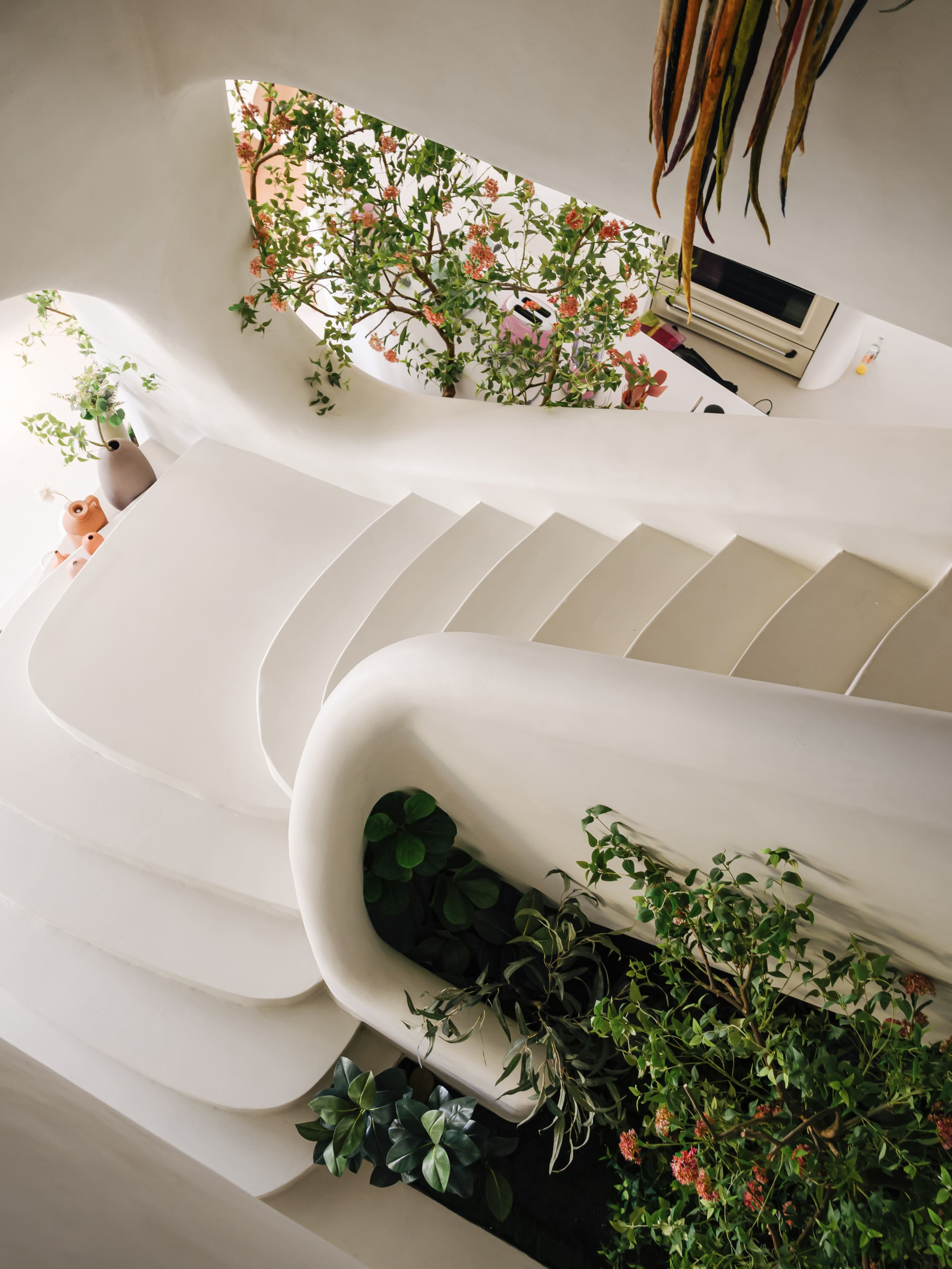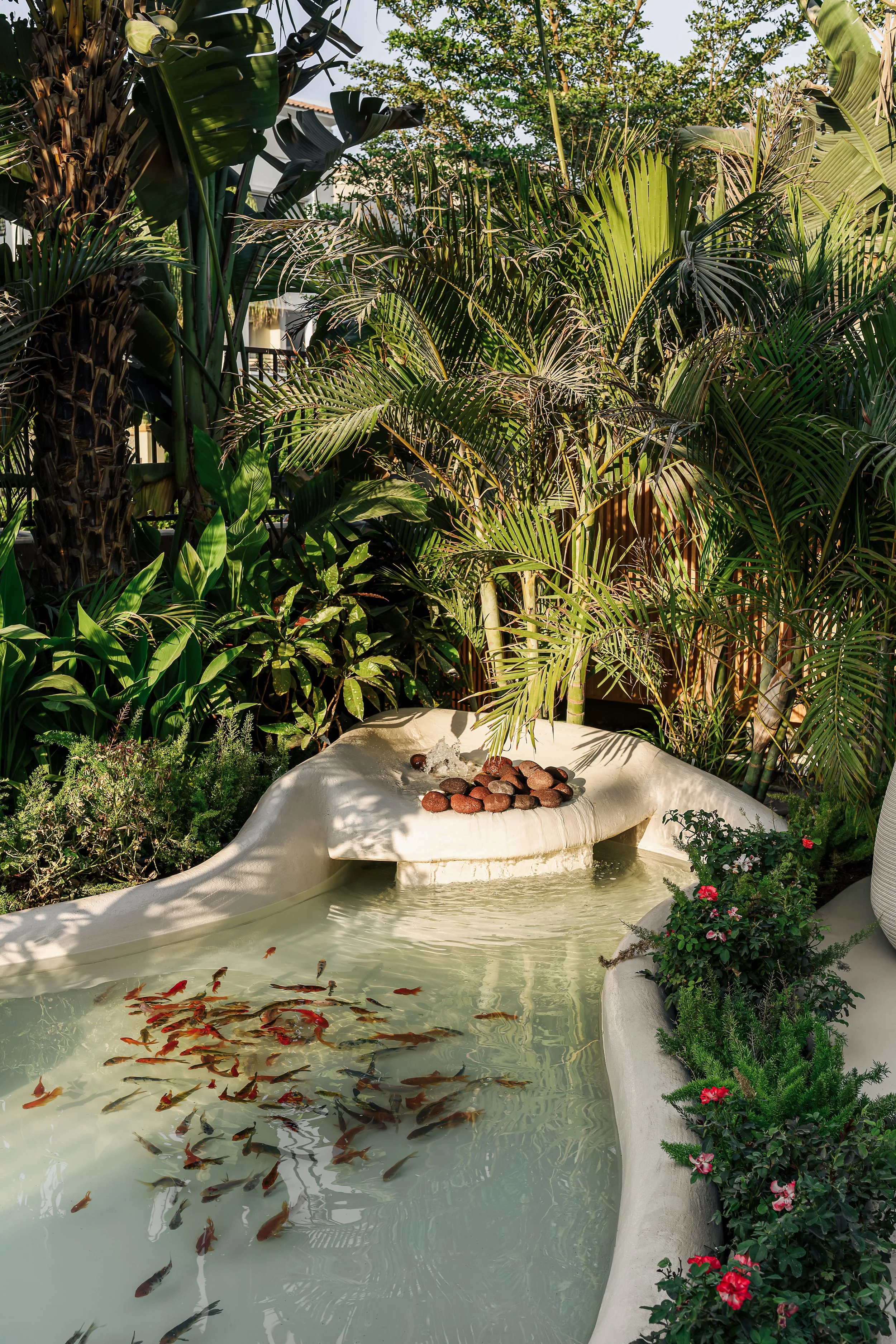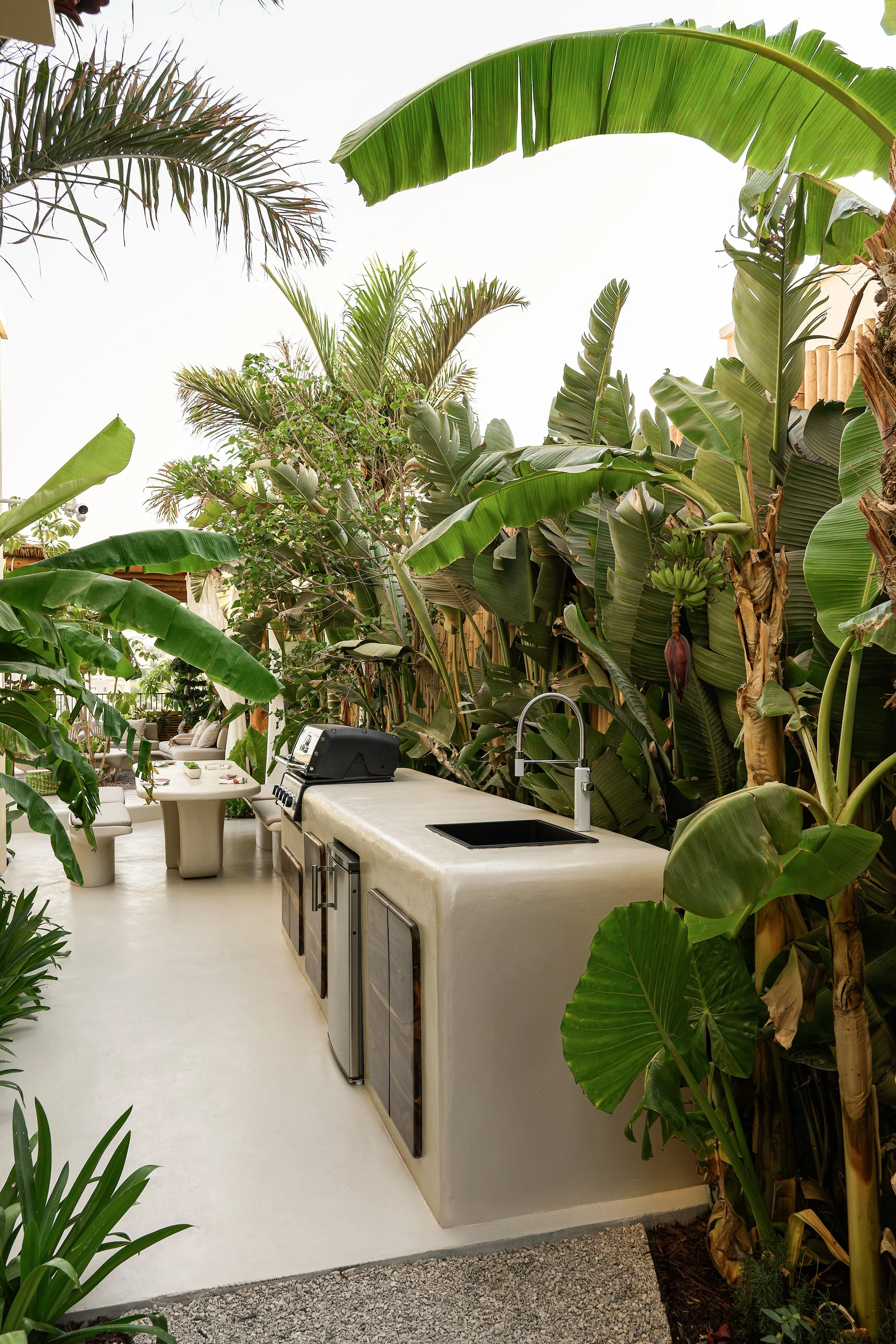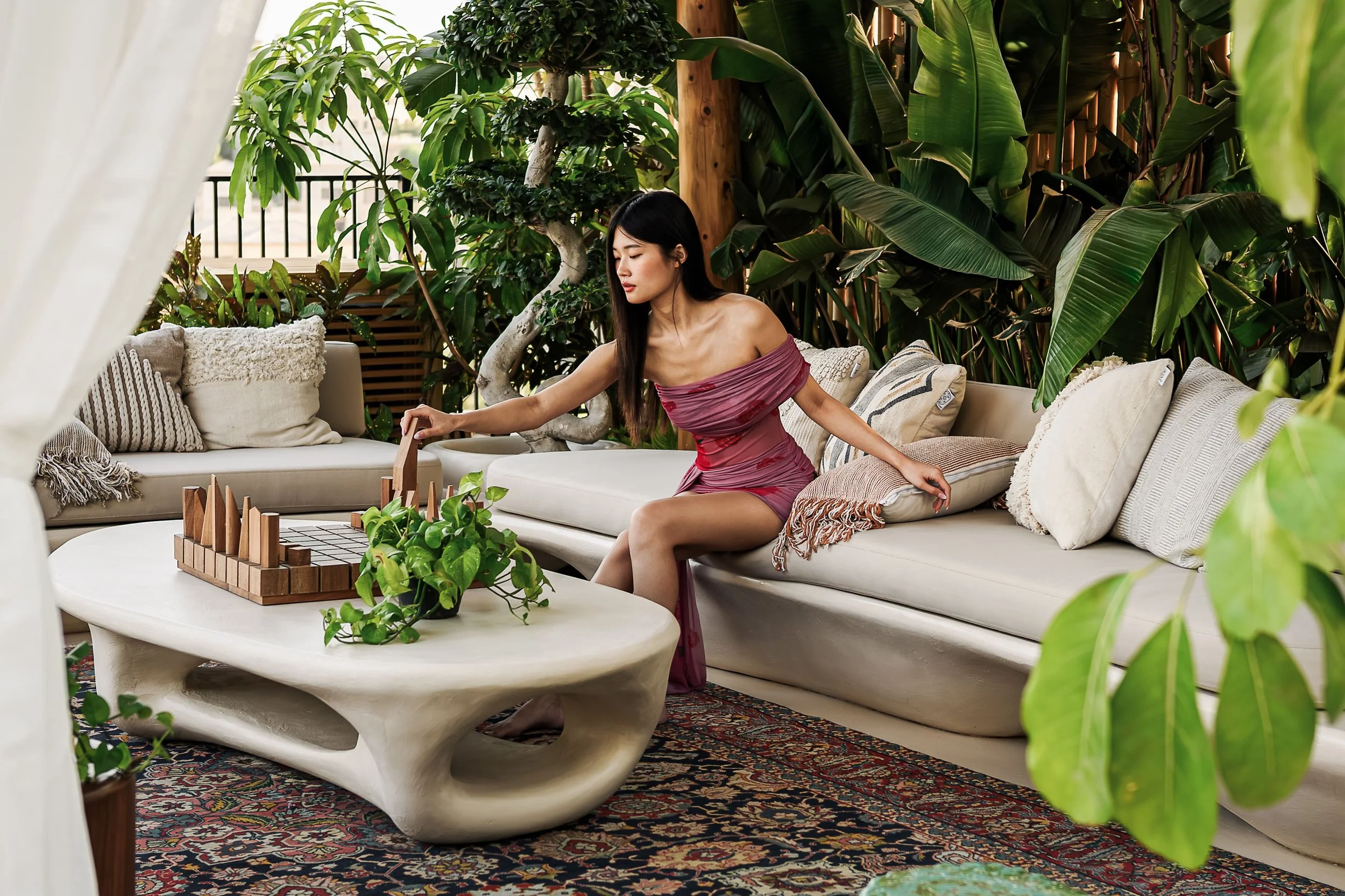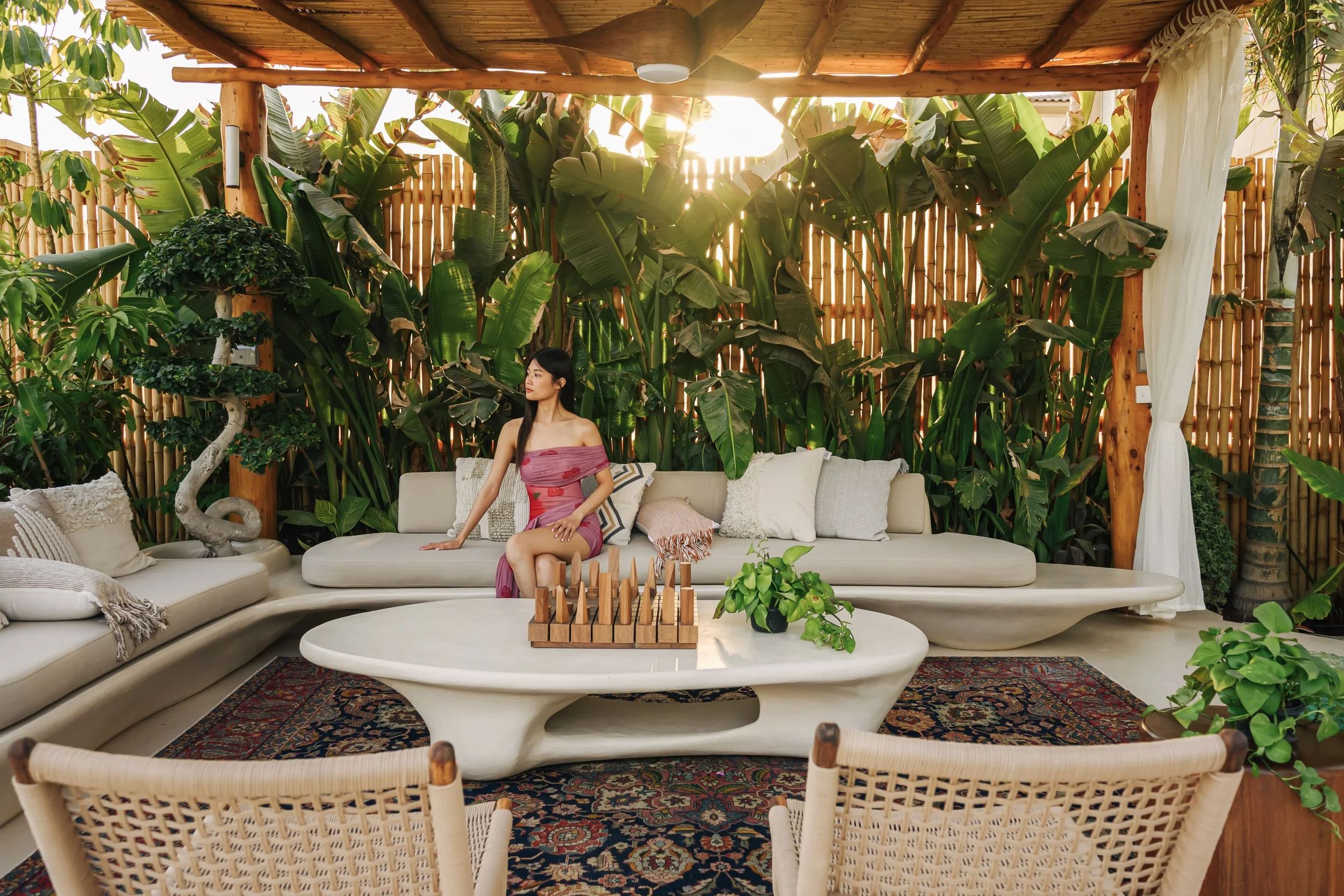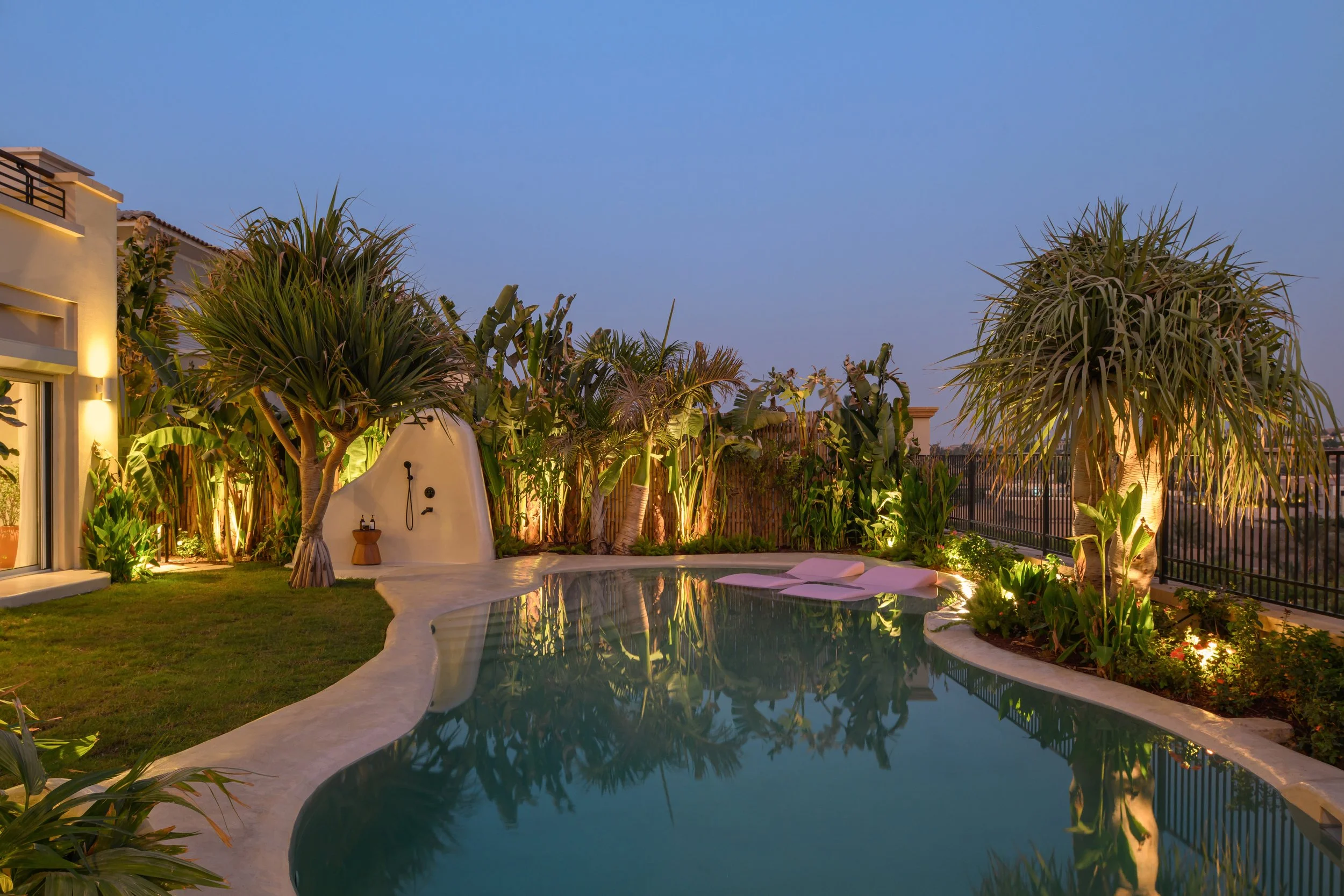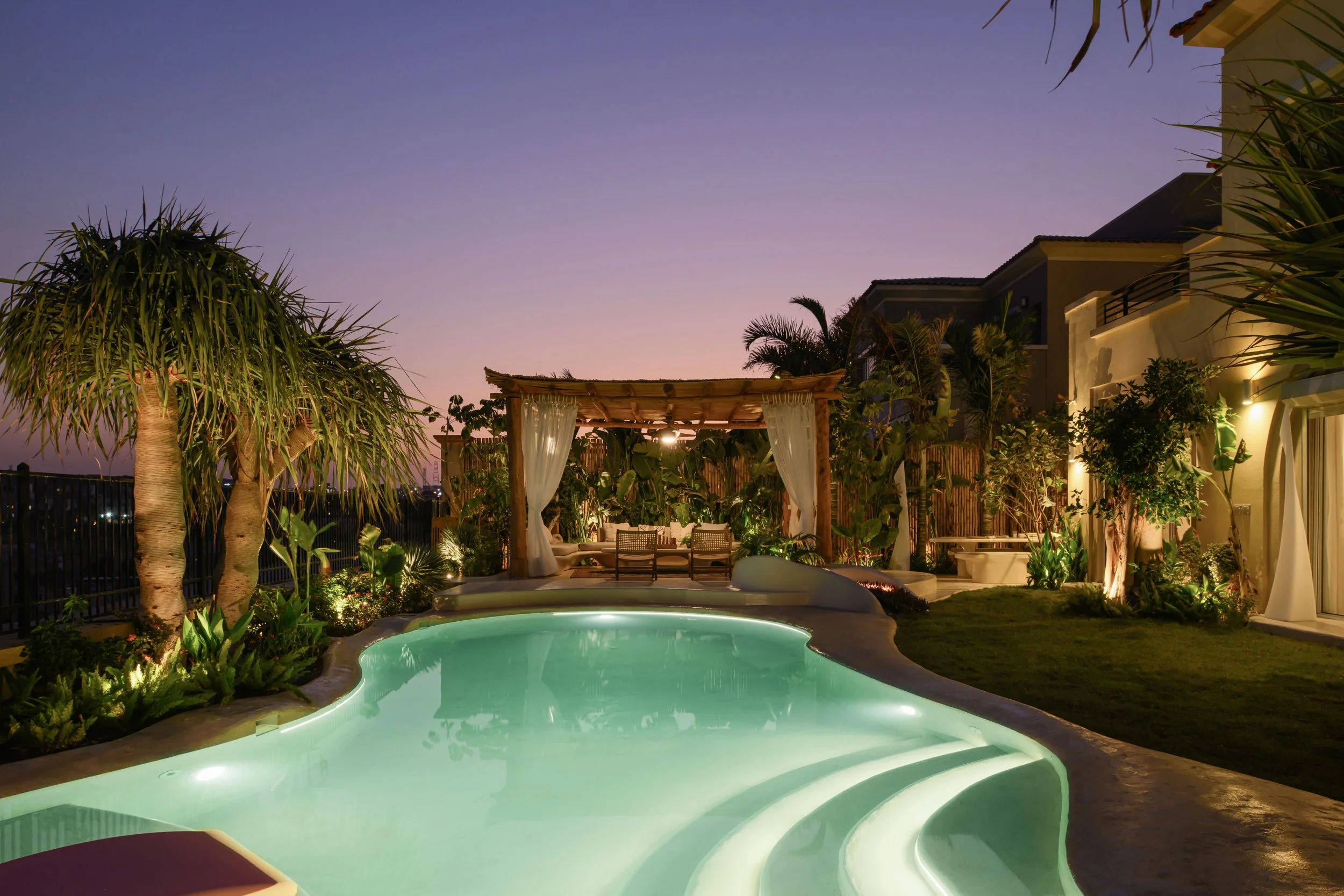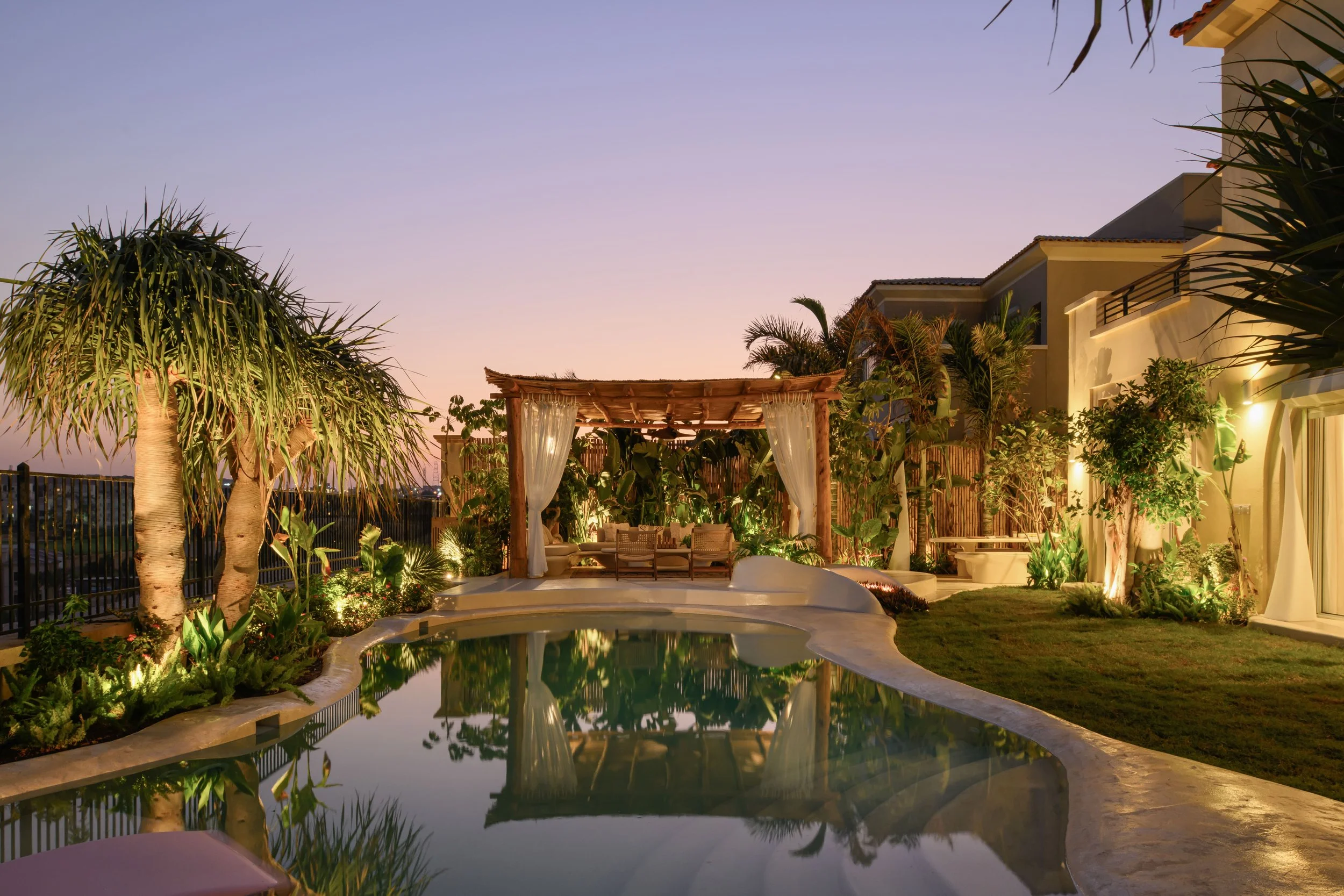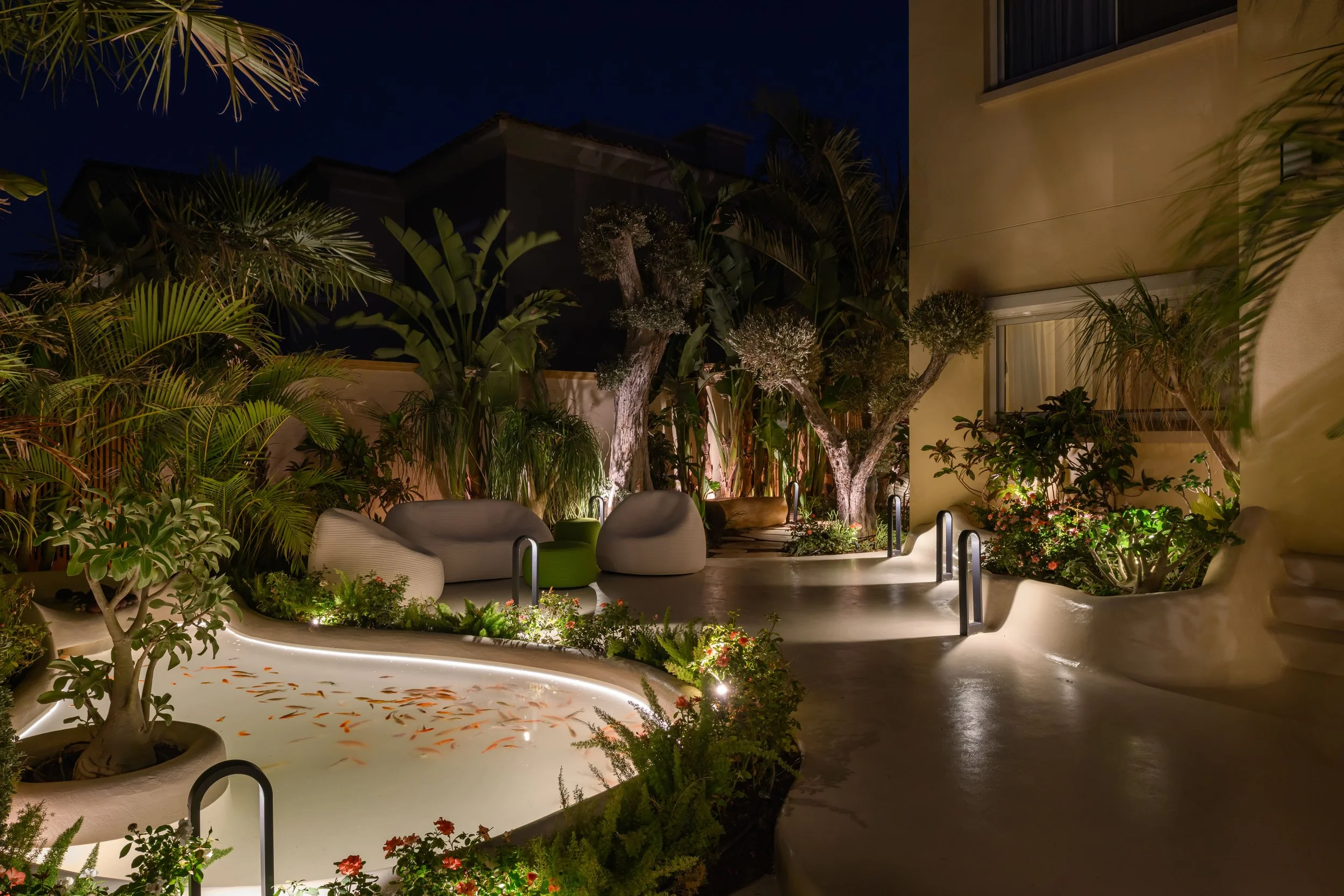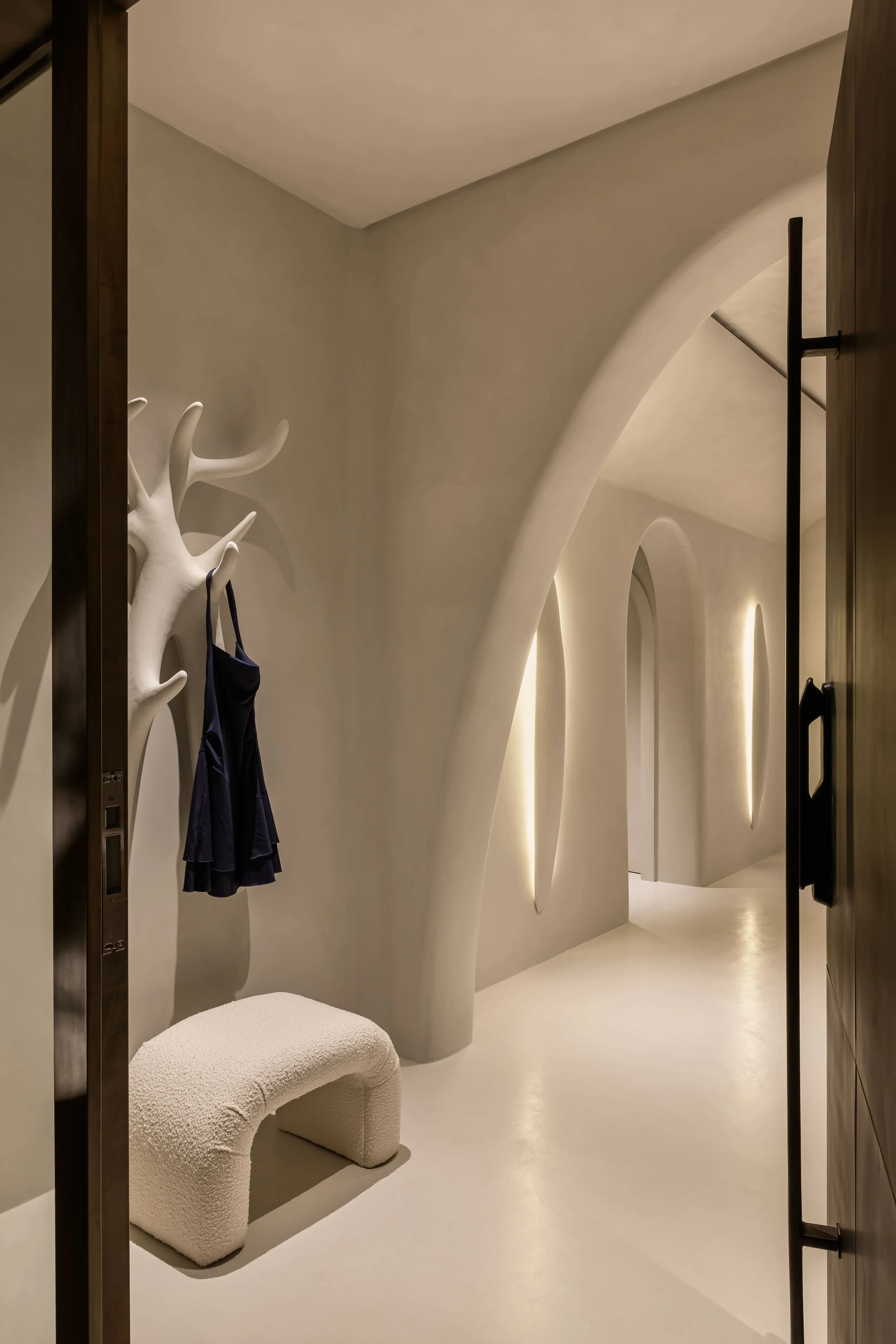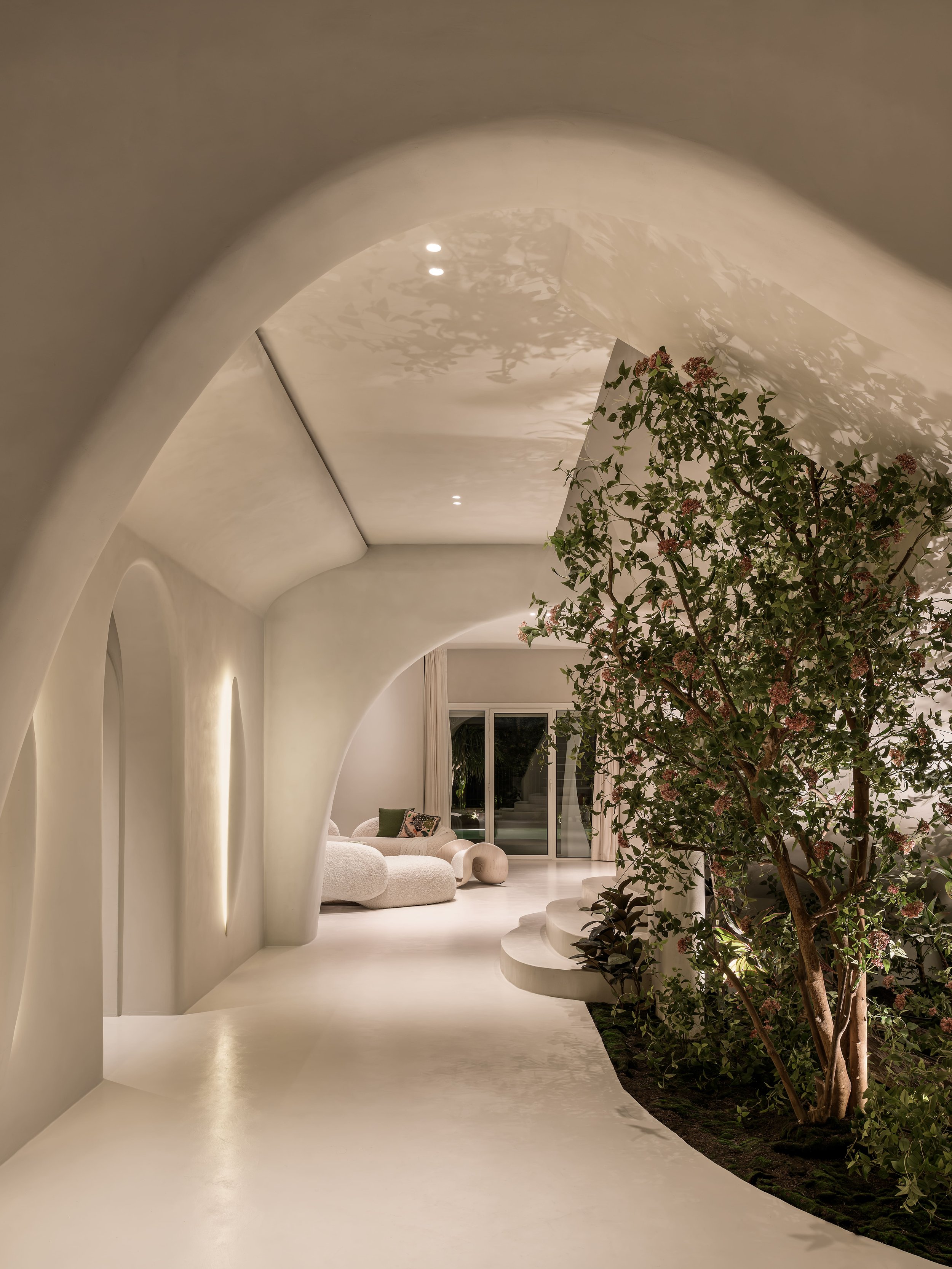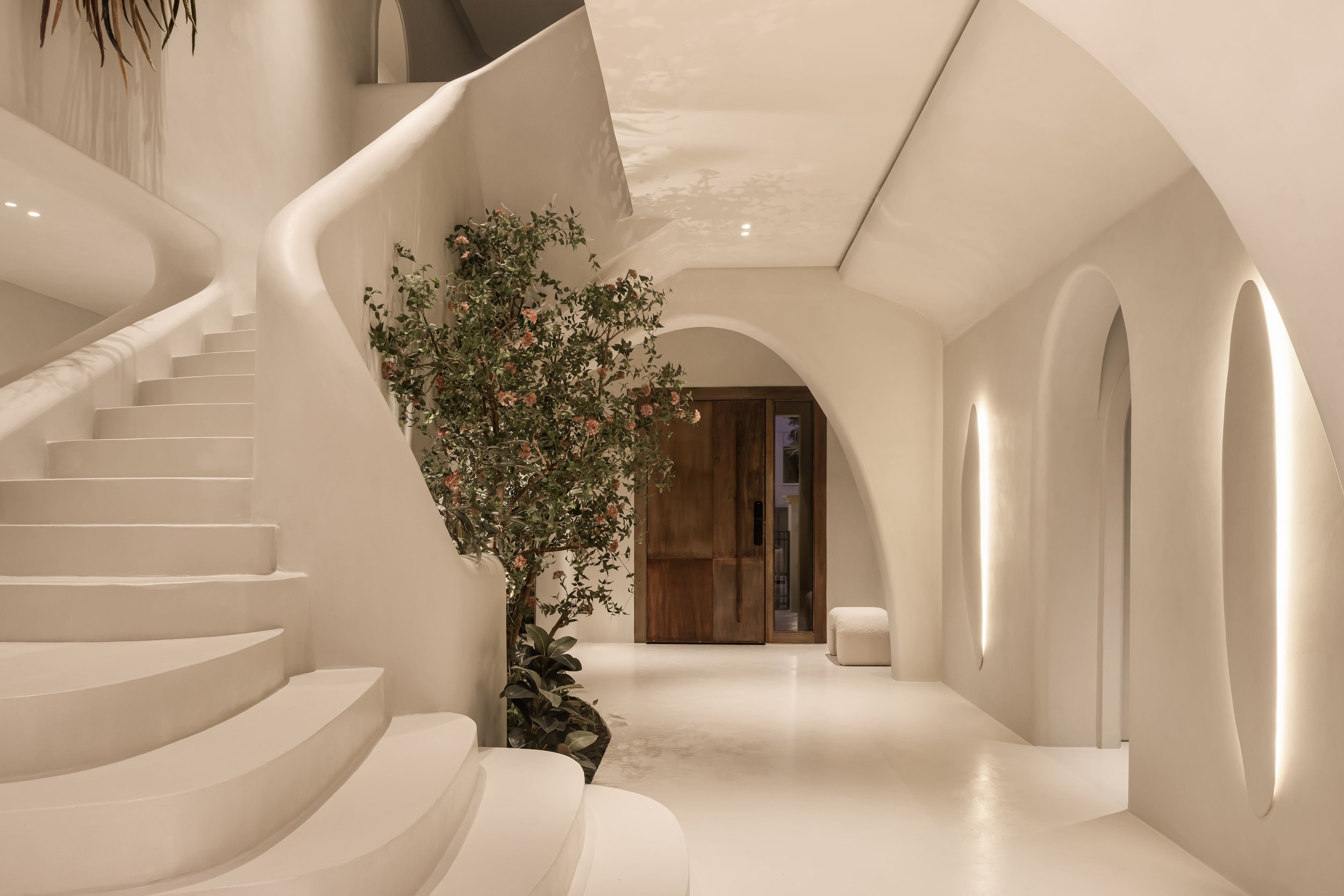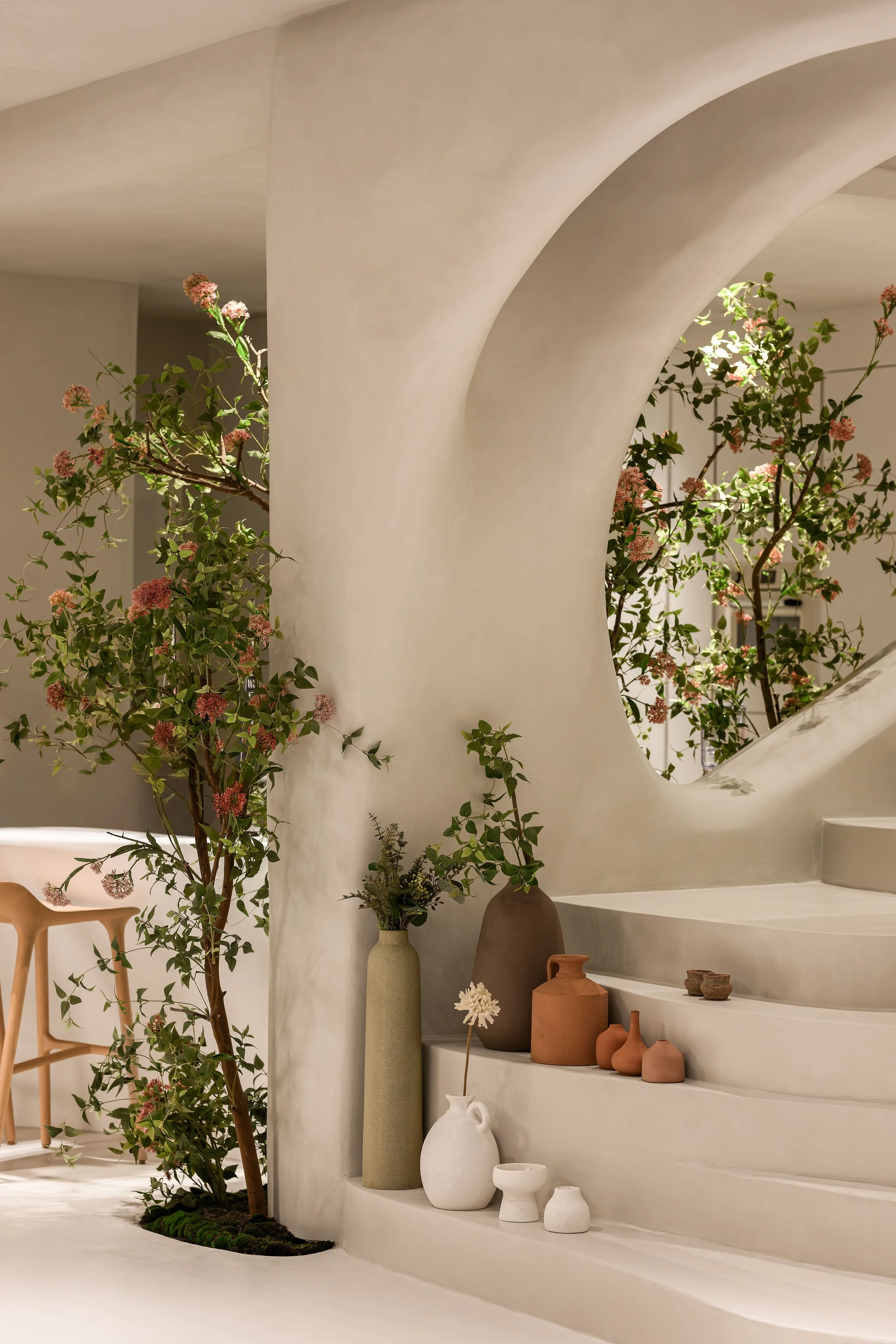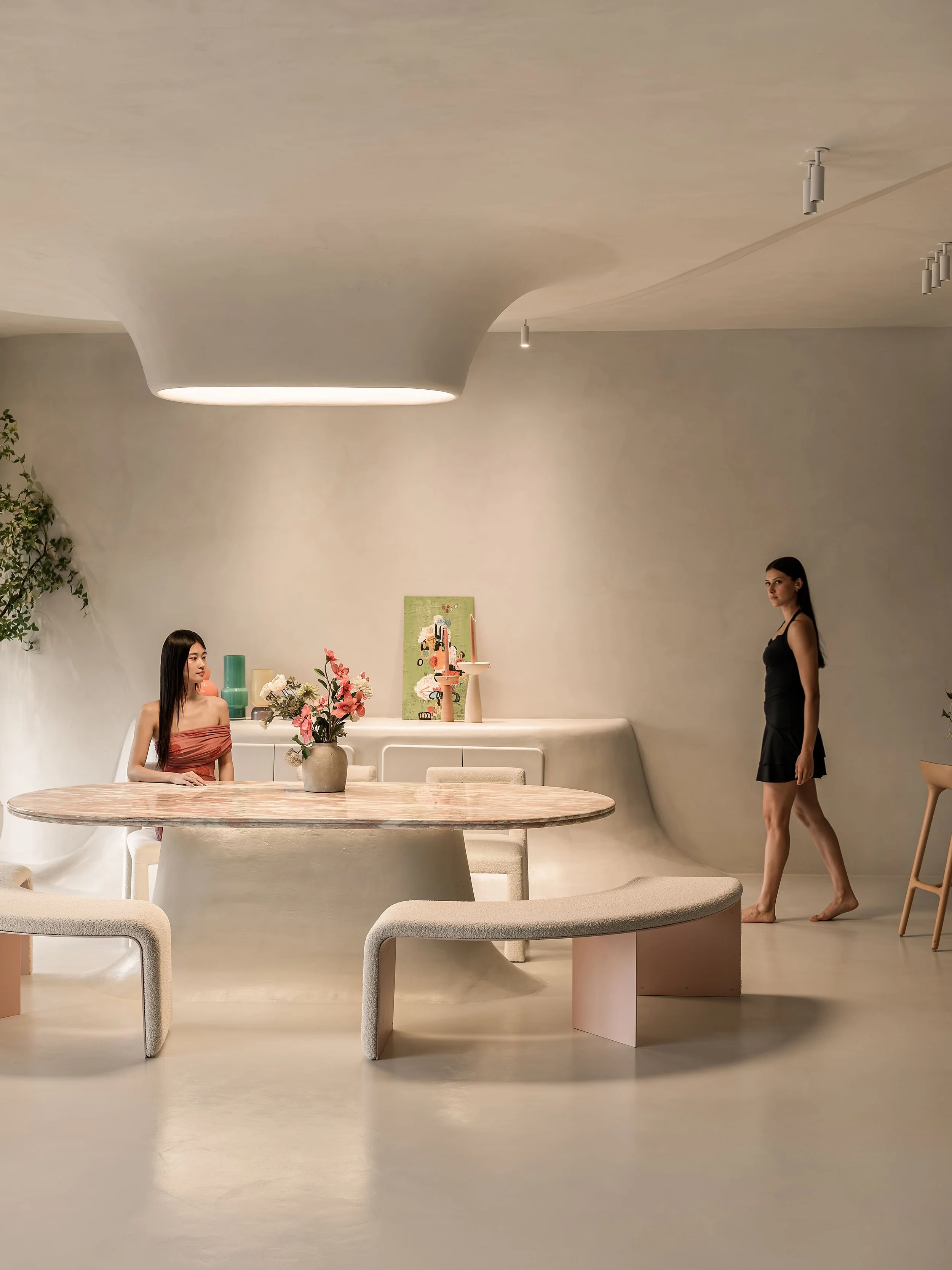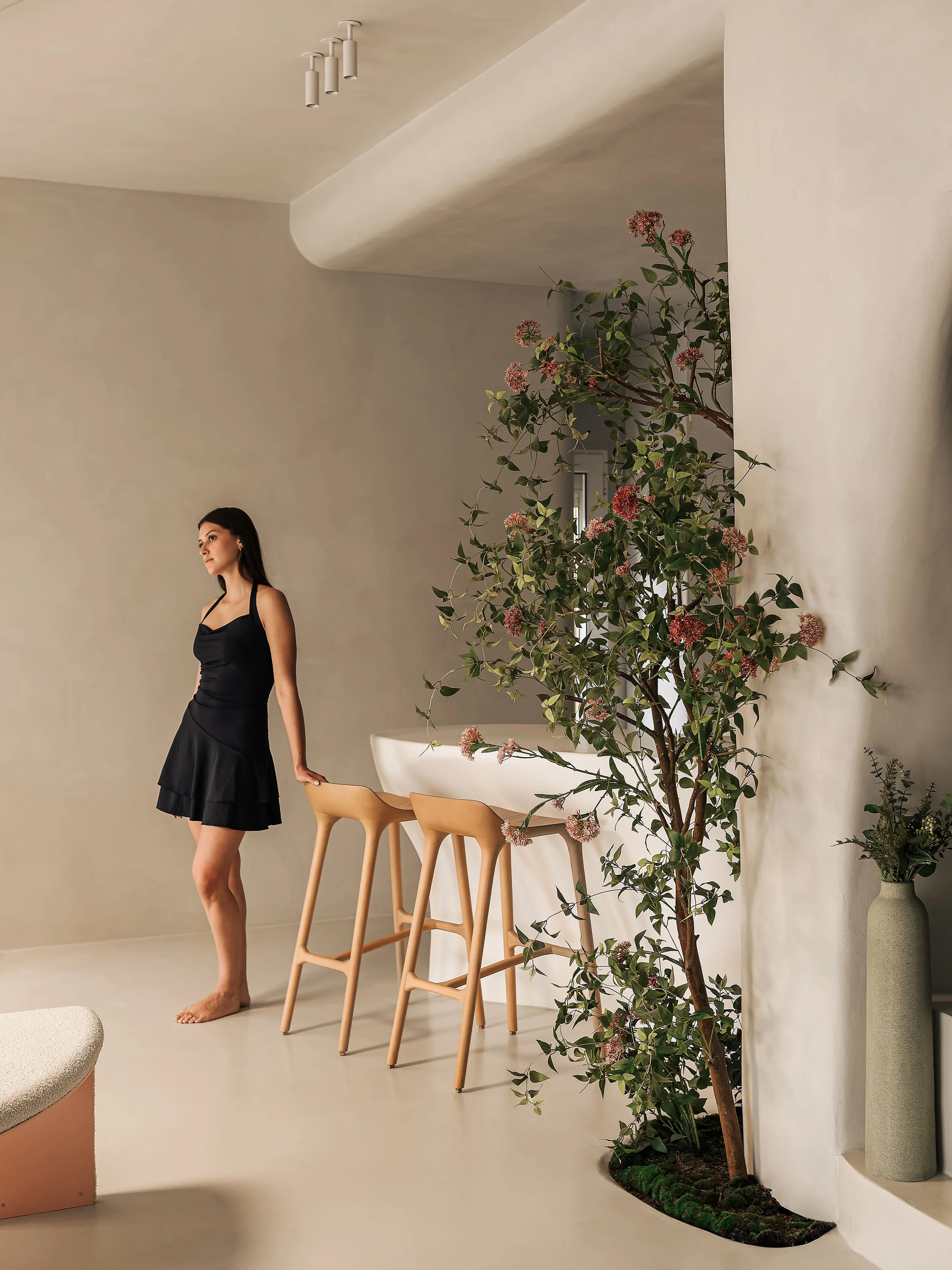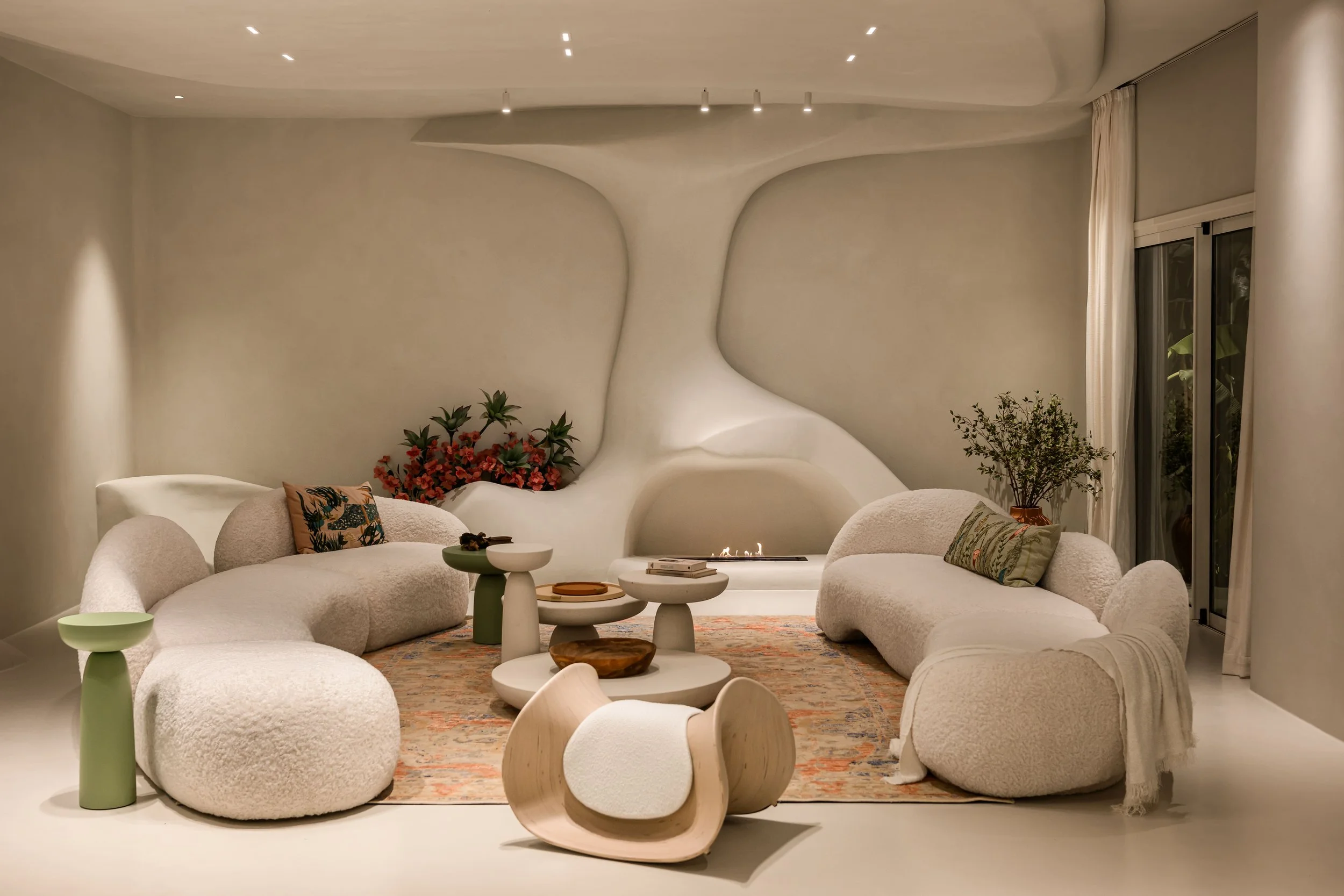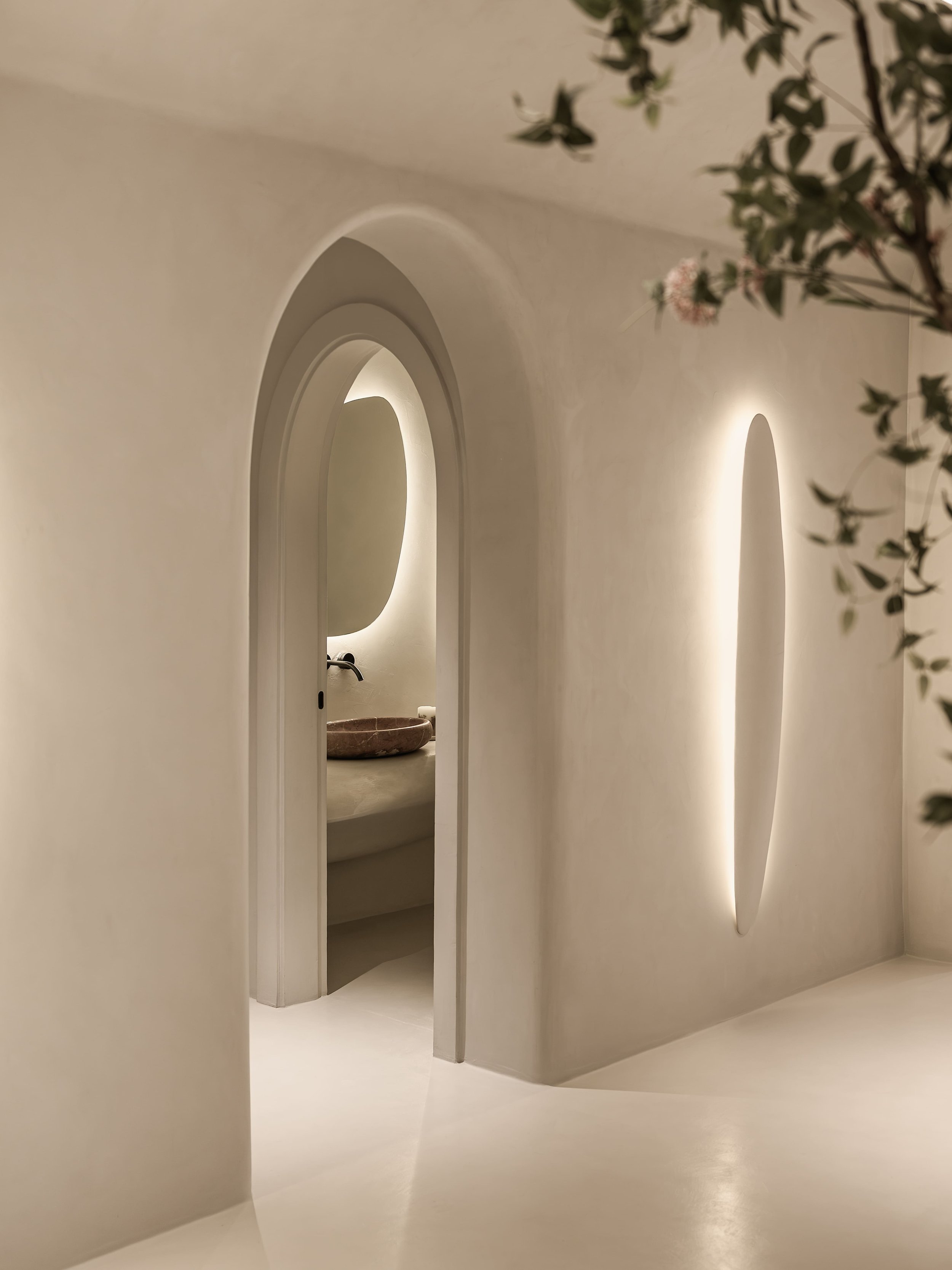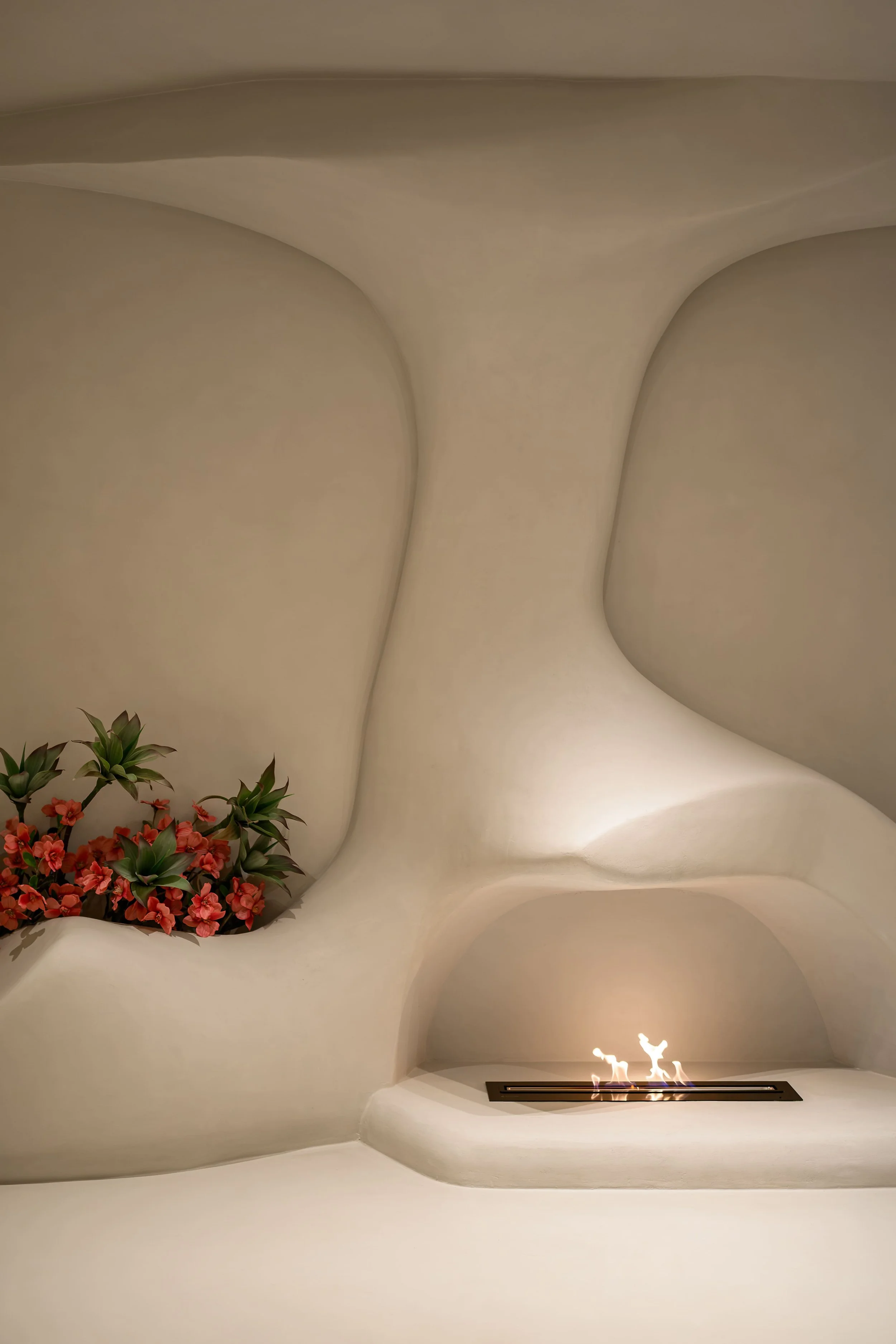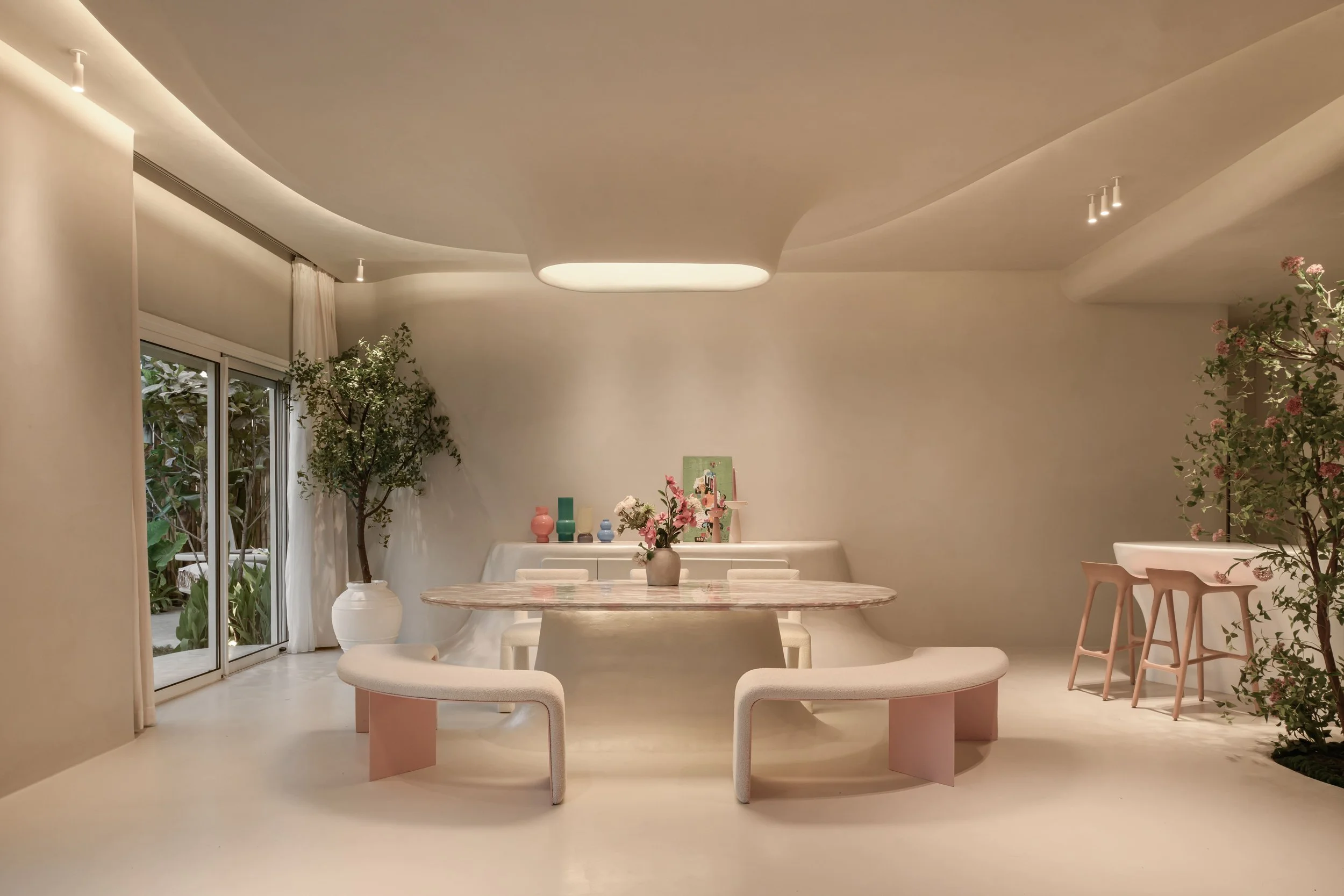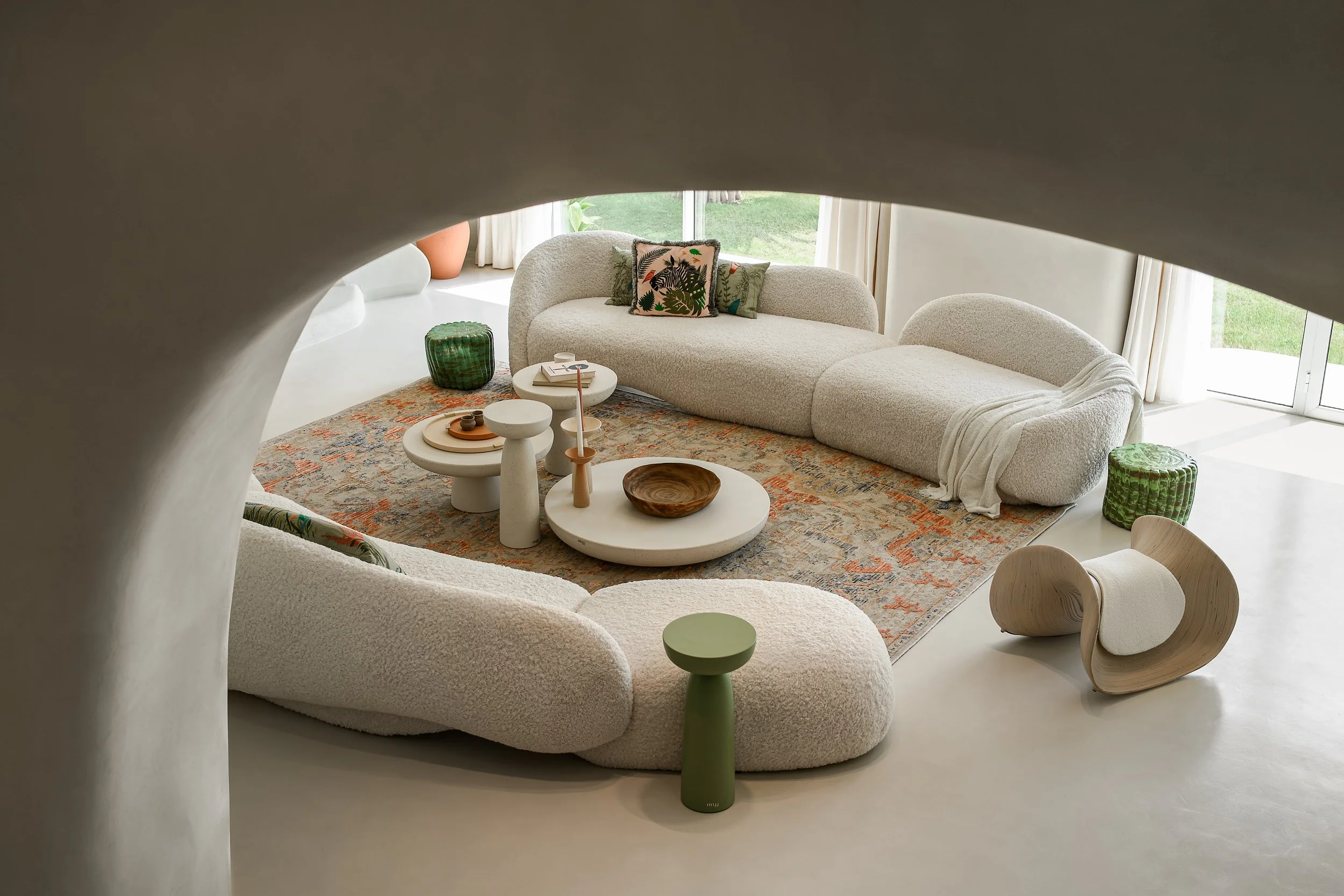
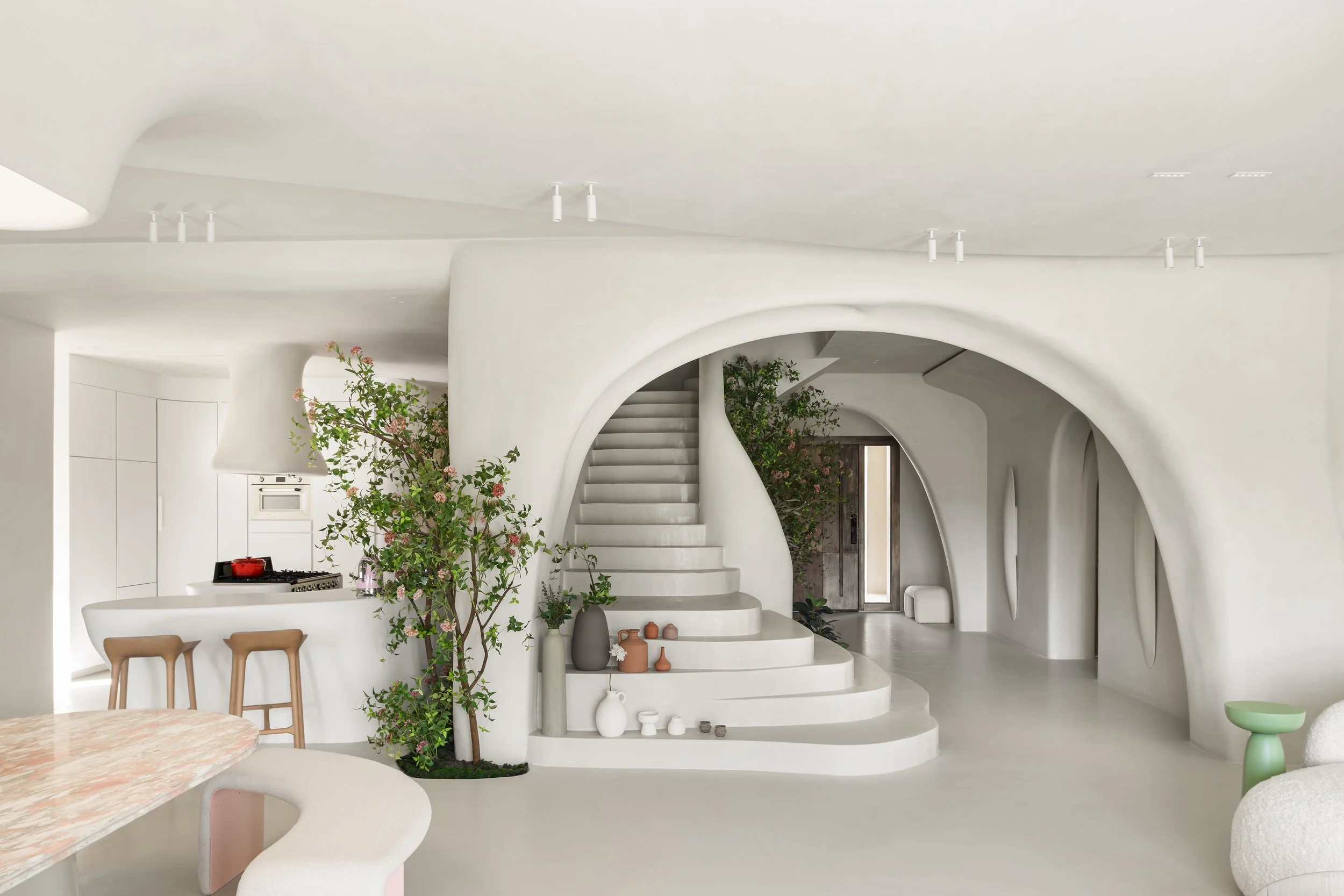
Beit Hawa, is a residential project in Uptown Cairo shaped by the ethos of morphosis, where the interior architecture functions as an adaptive system rather than a static arrangement. The design moves away from rigid modernist typologies, employing fluid spatial sequences that negotiate transitions between private and public zones. Surfaces and volumes are defined through layered materiality, integrating light, texture, and structural clarity into a coherent spatial syntax. Circulation operates as a generative element, creating smooth shifts that dissolve conventional boundaries between functions. Through calibrated permeability, the house balances openness with enclosure, allowing the interior to respond and breathe with its surrounding context. In this approach, architectural morphology becomes an operative tool that allows form, structure, and atmosphere to evolve and harmonize, crafting a home that is both timeless and deeply attuned to its environment.

22 Most Beautiful Homes by AD100 Designers
In Uptown Cairo, Egyptian architect Mohamed Badie brings his signature organic approach to a newly completed villa he describes as “an exploration of organic living”. The home unfolds in soft curves and raw, tactile textures, with moulded walls and ceilings that create a carved-from-nature feel. A sculptural fireplace anchors the living spaces, reinforcing the cave-like ambience while maintaining a contemporary clarity. Every detail is shaped as a one-off gesture, resulting in a residence that feels elemental, expressive and entirely its own.